


)

Struggling to Grow Plants? Try This Indoor Solution
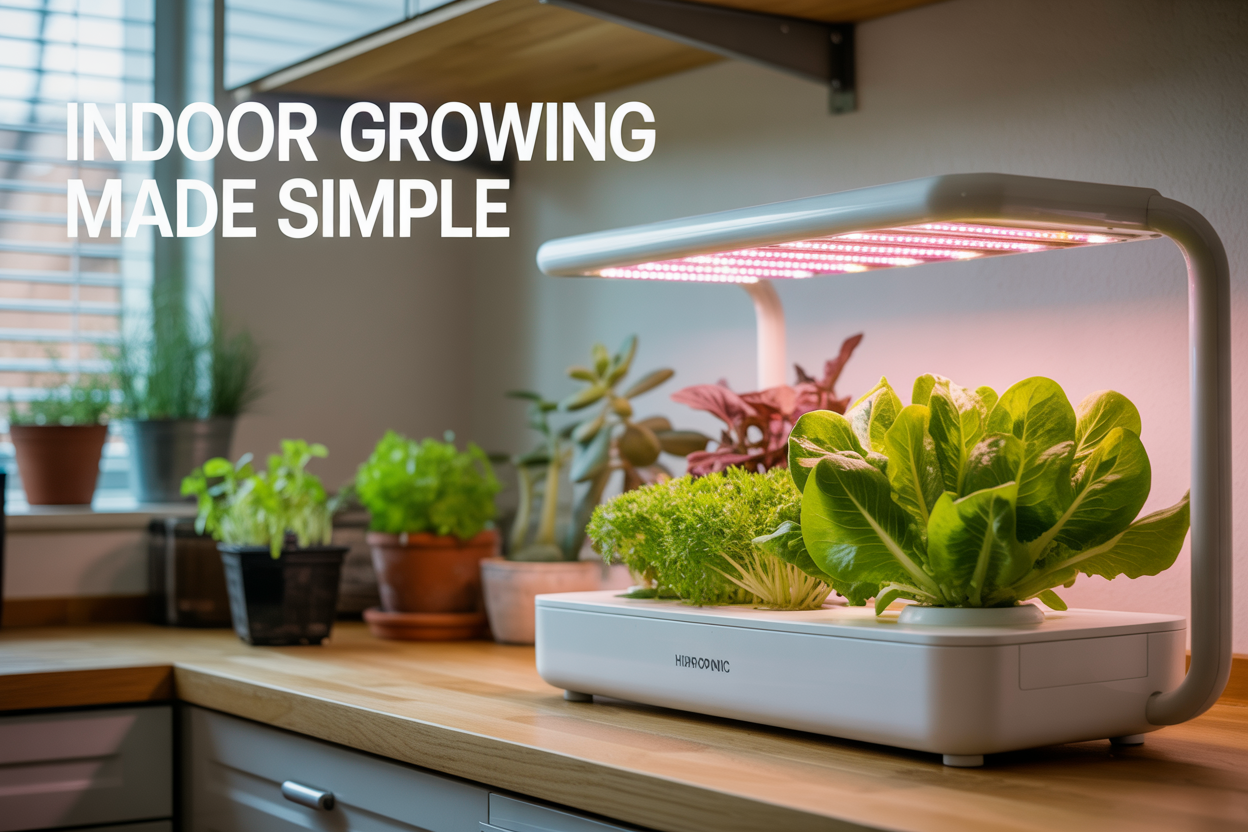
Fresh vegetables at your fingertips, no garden required.
Growing your own food shouldn't be a constant battle with wilted plants and failed harvests. If you're tired of spending money on grocery store produce that goes bad quickly, or you've killed more plants than you've successfully grown, you're not alone. Many home cooks and busy professionals want fresh ingredients without the hassle of traditional gardening.
An indoor hydroponic station changes everything. These smart grow stations automate the tricky parts of plant care while fitting into small spaces like apartments, kitchens, or garages. No more guessing about watering schedules or wondering why your herbs keep dying.
We'll walk through why growing fresh food feels so difficult, explore what makes a good hydroponic garden kit work for real people, and show you how automated plant care can give you weekly harvests without the usual headaches. You'll discover why more folks are ditching outdoor gardens for reliable indoor systems that actually deliver results.
(1) The Problem: Why Growing Fresh Food Feels Difficult
Lack of Time for Plant Care
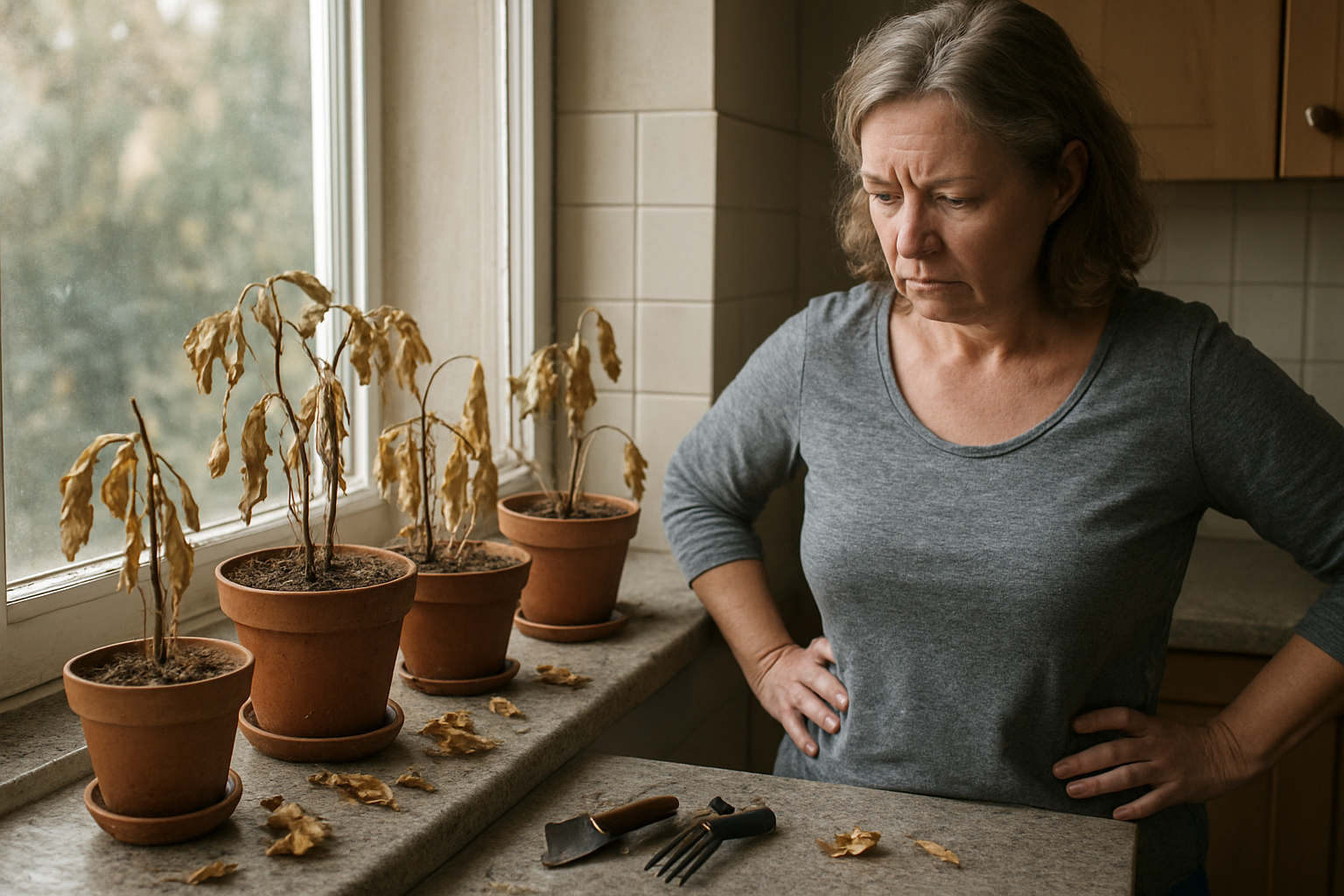
Modern life doesn't leave much room for nurturing a garden. Between demanding work schedules, family responsibilities, and social commitments, most people struggle to maintain consistent watering schedules and daily plant monitoring. Traditional gardening requires you to check soil moisture, adjust light exposure, and watch for signs of nutrient deficiency - tasks that become overwhelming when you're juggling multiple priorities. Missing just a few days of proper care can spell disaster for your plants, making home cultivation feel more like a chore than an enjoyable hobby.
Inconsistent Results (Plants Die Easily)
Nothing kills enthusiasm faster than watching your carefully planted seeds wither and die repeatedly. Many aspiring gardeners face the same frustrating cycle: initial excitement followed by disappointment when plants fail to thrive despite their best efforts. Outdoor variables like unpredictable weather, soil quality issues, and pest problems create an environment where even experienced gardeners sometimes struggle. Indoor attempts often fail too, as people underestimate the precise balance of light, water, and nutrients that plants need to flourish consistently.
Limited Space in Modern Homes
Urban living presents serious space constraints for anyone wanting fresh, homegrown vegetables. Apartment dwellers and homeowners with small yards find themselves with little to no suitable growing space. Balconies might be too shaded or windy, while indoor windowsills often lack adequate light exposure. Traditional indoor hydroponic stations and smart gardening devices try to address this problem, but many systems are still too bulky for cramped living spaces or require dedicated rooms that most people simply don't have available.
Dependency on Store-Bought Vegetables
Rising grocery prices and concerns about food quality have many people reconsidering their reliance on supermarket produce. Store-bought vegetables often travel long distances, losing nutritional value and freshness along the way. The desire for truly fresh herbs and vegetables - ones you can harvest minutes before eating - drives interest in home cultivation. However, the gap between wanting garden-fresh food and actually producing it consistently remains wide for most households, leaving them stuck with expensive, less nutritious store alternatives.
(2) Common Solutions People Try (And Their Limits)
Traditional Soil Gardening
Traditional soil gardening remains the most popular choice for growing fresh food at home, but it comes with significant challenges that many people underestimate. Outdoor gardens require perfect timing with seasons, constant battling against pests, and dealing with unpredictable weather conditions that can destroy months of hard work overnight.
The soil itself presents another layer of complexity. Getting the pH balance right, ensuring proper drainage, and maintaining the right nutrient levels requires extensive knowledge and testing. Many beginners find themselves overwhelmed by soil amendments, fertilizers, and the guesswork involved in determining what their plants actually need.
Space limitations make traditional gardening impossible for apartment dwellers or those with small yards. Even people with adequate outdoor space often struggle with poor soil quality, requiring expensive soil replacement or years of conditioning before seeing decent results.
Weather dependency means your growing season is limited to specific months, leaving you without fresh produce for large portions of the year. Drought, frost, excessive rain, or sudden temperature changes can wipe out entire harvests, making traditional gardening feel like a gamble rather than a reliable food source.
DIY Indoor Pots
Moving indoors with basic potted plants seems like an obvious solution, but DIY indoor growing setups create their own set of problems. Standard potting soil indoors often leads to fungus gnats, overwatering issues, and messy spills that damage furniture and flooring.
Lighting becomes a major obstacle since most homes don't provide adequate natural light for vegetable growth. Basic grow lights from hardware stores rarely deliver the full spectrum plants need, resulting in leggy, weak plants that produce minimal harvests.
Watering management turns into daily guesswork. Too much water leads to root rot, while too little stunts growth. Without proper drainage systems, excess water creates soggy soil conditions that kill more plants than drought ever could.
Space efficiency suffers dramatically with individual pots scattered around the house. Each plant needs its own container, saucer, and lighting setup, quickly consuming valuable living space without delivering proportional food production.
Smart Indoor Growing Systems (Recommended Solution)

👉 “Discover how this indoor setup grows plants for you”
Smart hydroponic indoor grow systems represent the latest evolution in home food production, but they come with their own trade-offs that potential buyers should understand before investing.
These automated plant care devices promise hands-off growing through sensors and smartphone apps, yet many users discover the technology isn't as foolproof as advertised. Smart gardening devices often require frequent calibration, software updates, and troubleshooting that can frustrate users seeking simplicity.
Cost represents a significant barrier for most households. Quality home hydroponic systems range from hundreds to thousands of dollars upfront, plus ongoing expenses for specialized nutrients, replacement parts, and pod refills that can cost more than buying organic produce.
| System Type | Initial Cost | Monthly Operating Cost | Learning Curve | Best Upgrade |
|---|---|---|---|---|
| Basic Hydroponic Kit | $50–150 | $10–25 | Moderate | — |
| Smart Grow Station | $200–500 | $20–40 | Low | View Smart Grow Solution → |
| Advanced Hydroponic Garden Kit | $500+ | $30–60 | High | — |
Technology-enabled gardening systems often limit plant variety to pre-made pods or specific seed types, restricting your ability to grow heirloom varieties or unusual vegetables you might prefer. The compact indoor farming approach works well for herbs and leafy greens but struggles with larger vegetables that many families want to grow.
Maintenance requirements for hydroponic growth technology include regular cleaning of pumps, replacing filters, and monitoring nutrient levels - tasks that can be more complex than traditional watering. When these systems break down, repairs often require specialized parts or technical support that leaves your plants vulnerable during downtime.
(3) Why More People Are Growing Food Indoors
🌱 Fresh ingredients anytime
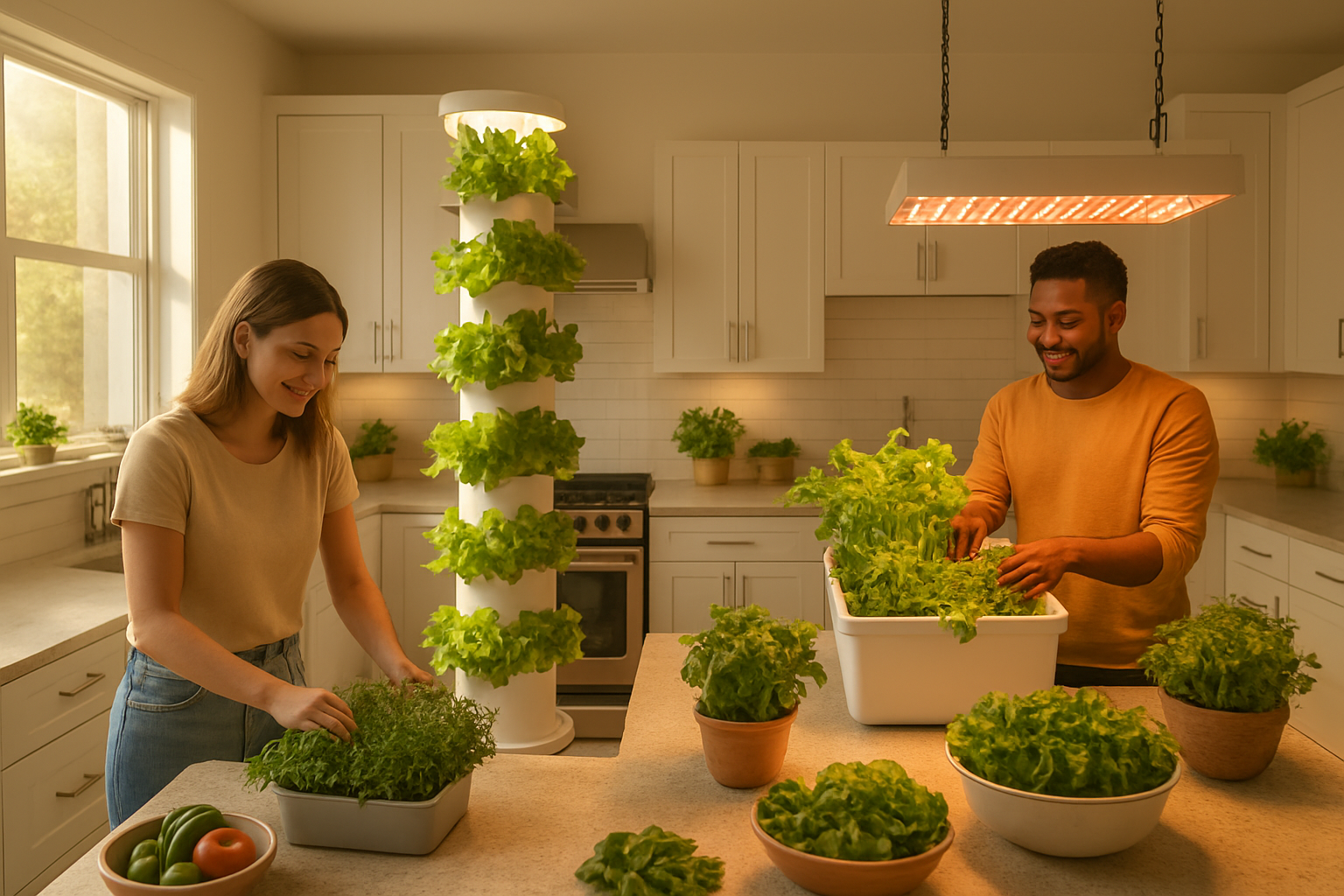
Growing food indoors with a smart grow station means you'll always have fresh herbs, leafy greens, and vegetables within arm's reach. No more wilted lettuce from the grocery store or herbs that cost $3 for a tiny packet. Your indoor hydroponic station can produce crisp basil, vibrant spinach, and tender lettuce year-round, regardless of weather conditions outside.
The beauty of home hydroponic systems lies in their ability to create perfect growing conditions 24/7. While outdoor gardens depend on seasonal changes and unpredictable weather, your hydroponic garden kit maintains optimal temperature, light, and nutrients consistently. You can harvest fresh salad greens in winter, grow tomatoes during droughts, and enjoy fresh herbs even in the smallest apartment.
Many people discover that homegrown produce tastes dramatically better than store-bought alternatives. Plants harvested at peak ripeness from your automated plant care system retain more nutrients and flavor compounds that get lost during transportation and storage of commercial produce.
💰 Save money long-term
The initial investment in hydroponic growth technology pays for itself quickly when you consider grocery costs. A single basil plant from your compact indoor farming setup can replace dozens of expensive herb packages throughout the year. Fresh greens that cost $4-6 per bag at the store grow continuously for pennies in your smart gardening devices.
Most families spend $50-100 monthly on fresh produce. A well-designed indoor vegetable cultivation system can cut this expense by 60-80% while providing higher-quality food. The savings become even more significant when growing organic varieties, which often cost double the price of conventional produce at retail stores.
Technology-enabled gardening systems also reduce food waste dramatically. Instead of buying full packages that spoil before you use them, you harvest exactly what you need when you need it. No more throwing away half a bag of spinach or watching expensive herbs turn brown in your refrigerator.
🏡 Cleaner, more sustainable lifestyle
Indoor growing eliminates exposure to pesticides, herbicides, and other chemicals commonly used in commercial agriculture. Your home hydroponic systems use only water and nutrients, creating completely clean produce for your family. You control every aspect of the growing process, ensuring no harmful substances touch your food.
The environmental benefits extend beyond your plate. Indoor hydroponic stations use 90% less water than traditional soil gardening through precise nutrient delivery and water recycling. Transportation emissions disappear when your salad travels inches instead of thousands of miles from farm to table.
Package waste drops significantly too. Those plastic containers, bags, and wrapping materials that house store-bought produce become unnecessary when you're harvesting directly from your hydroponic garden kit. This creates a meaningful reduction in household plastic waste while supporting a more sustainable food system.
🕒 Less time spent on maintenance
Modern smart grow stations handle most growing tasks automatically. Automated plant care technology monitors pH levels, nutrient concentrations, and lighting schedules without daily attention from you. Many systems send smartphone notifications when water needs refilling or harvesting time arrives.
Traditional gardening requires weeding, soil preparation, pest management, and constant watering schedules. Technology-enabled gardening eliminates these time-consuming chores. No more weekend hours spent pulling weeds or worrying about proper watering while you're traveling.
Compact indoor farming systems fit seamlessly into busy lifestyles. Five minutes per week typically covers all maintenance tasks - adding water, harvesting mature plants, and starting new seeds. The time investment feels minimal compared to grocery shopping trips, yet provides weeks of fresh produce for your household.
(4) What Makes a Good Indoor Growing System?

Automated Lighting System
The best smart grow stations come with built-in LED systems that automatically adjust to your plants' needs. These lights switch on and off based on programmed schedules, giving your vegetables exactly the right amount of light without you having to remember anything. Full-spectrum LEDs mimic natural sunlight, providing the red and blue wavelengths that plants crave for photosynthesis and healthy growth.
Quality automated plant care systems also dim or brighten the lights as plants mature. Seedlings need gentler lighting, while mature lettuce or herbs can handle more intense illumination. This smart adjustment happens behind the scenes, so you don't need to become a lighting expert.
Efficient Water Circulation
Water flow makes or breaks any hydroponic garden kit. The circulation system should move nutrient-rich water steadily through the growing chambers, ensuring every root gets fed properly. Look for systems with quiet pumps that won't disturb your daily routine or sleep.
The best home hydroponic systems include water level indicators and automatic refill alerts. Some advanced models even monitor pH levels and nutrient concentration, sending notifications to your phone when it's time to add more plant food or adjust the water balance.
Compact and Modern Design
Your indoor hydroponic station should fit naturally into your living space without taking over your kitchen counter or dining room. Sleek, vertical designs maximize growing space while maintaining a small footprint. Many successful growers choose units that look more like modern appliances than traditional farming equipment.
Consider how the design integrates with your home's aesthetic. The best hydroponic growth technology comes in neutral colors and clean lines that complement contemporary kitchens and living areas.
Easy Setup and Maintenance
Smart gardening devices should work for busy people, not create more work. Look for systems that come pre-assembled or require minimal setup steps. The best indoor vegetable cultivation systems include clear instructions and all necessary components in the box.
Daily maintenance should be simple - checking water levels, harvesting ready plants, and occasionally adding nutrients. Weekly tasks might include cleaning the water reservoir and trimming overgrown plants. Monthly deep cleaning should be straightforward with removable parts that go in the dishwasher.
Reliable Plant Growth Results
The most important feature of any compact indoor farming system is consistent results. Your technology-enabled gardening setup should deliver fresh vegetables within the promised timeframes. Look for systems with proven track records and positive reviews from actual users.
Reliable systems maintain steady growing conditions regardless of weather outside or seasonal changes. Temperature control, humidity management, and consistent lighting cycles all contribute to predictable harvests that keep your kitchen stocked with fresh greens year-round.
(5) Why This Solution Stands Out for Everyday Use

Designed for busy lifestyles
Modern smart grow stations and indoor hydroponic systems work around your schedule, not against it. These automated plant care systems handle the daily grind of watering, nutrient delivery, and light cycles without requiring constant attention. You can travel for business, work late shifts, or simply forget to check on your plants for days – the technology keeps everything running smoothly.
Most hydroponic garden kits include app-based monitoring that sends gentle reminders when attention is needed. The automation handles 90% of the work, leaving you with simple tasks like harvesting fresh herbs or replacing nutrients every few weeks. This hands-off approach makes indoor vegetable cultivation realistic for professionals, parents, and anyone with a packed calendar.
Fits small kitchens and apartments
Space constraints don't have to kill your growing dreams. Today's compact indoor farming solutions are engineered for urban living. Counter-top hydroponic growth technology takes up less space than a coffee maker while producing enough fresh greens for regular meals.
Vertical growing designs maximize production in minimal footprints. A single home hydroponic system can fit snugly in a corner, on a shelf, or under kitchen cabinets. The sleek designs blend into modern kitchens rather than dominating them. Even studio apartment dwellers can enjoy fresh herbs and leafy greens without sacrificing precious living space.
Produces consistent harvests
Unlike outdoor gardening's weather-dependent gambles, technology-enabled gardening delivers predictable results year-round. Indoor hydroponic stations maintain optimal growing conditions regardless of seasonal changes, drought, or unexpected storms outside your window.
Plants grow 30-50% faster in controlled hydroponic environments compared to traditional soil gardening. You'll harvest fresh produce every few weeks instead of waiting months. The consistency means you can plan meals around your garden's output and reduce grocery store trips for expensive organic produce.
Reduces effort while increasing results
Smart gardening devices flip the traditional effort-to-results ratio. Where soil gardening demands weeding, pest management, and constant vigilance, automated systems handle the tedious work. You invest less time but harvest more food with better nutritional content and flavor.
The learning curve is gentle – most people see success within their first growing cycle. Built-in sensors prevent common mistakes like overwatering or nutrient imbalances. This technology transforms growing from a skill-based hobby into a simple lifestyle choice that anyone can master quickly.
Conclusion
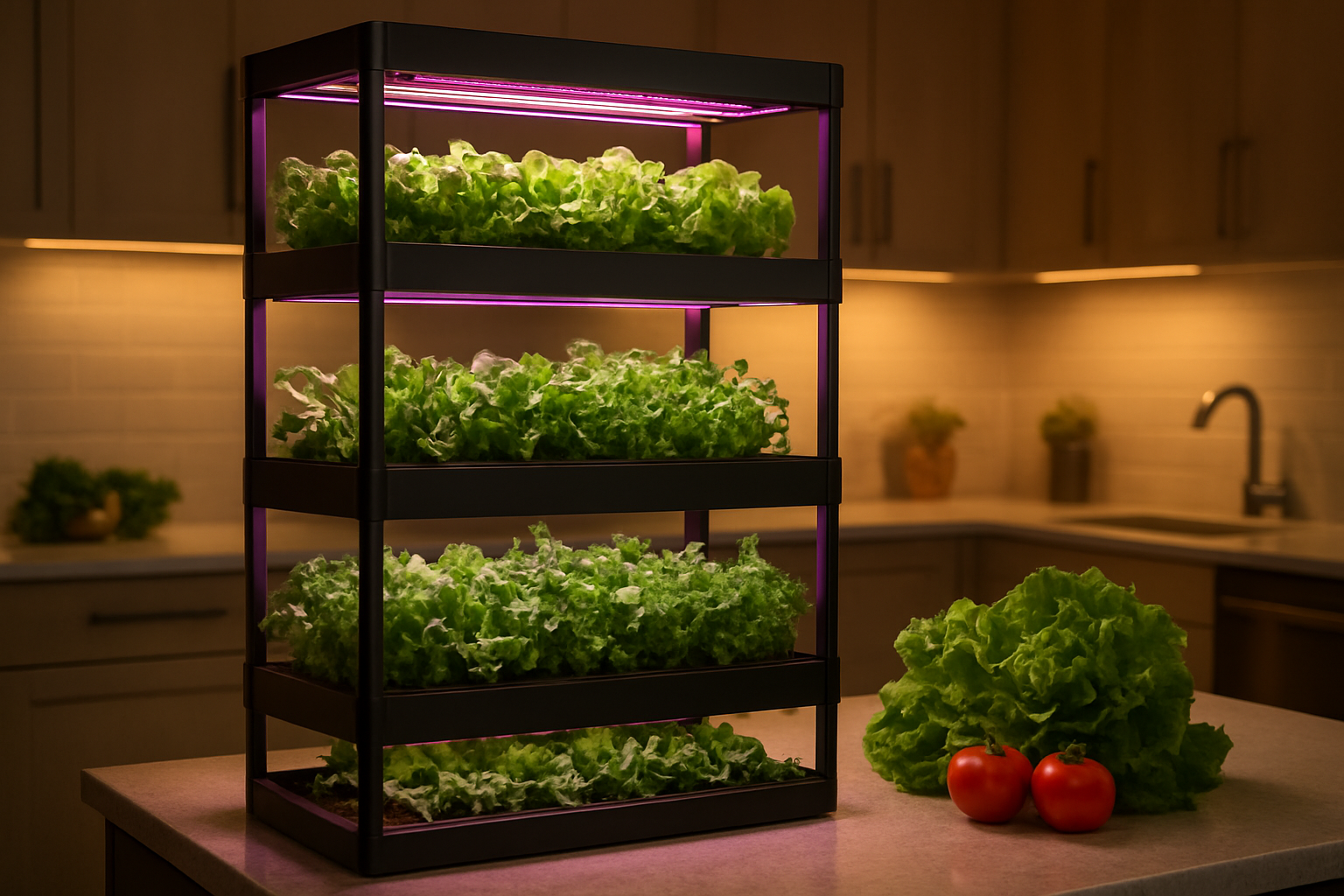
Growing fresh food at home doesn't have to be complicated or time-consuming. While traditional gardening methods often fail due to unpredictable weather, space constraints, and daily maintenance demands, indoor growing systems offer a reliable solution. The Smart Hydroponic Indoor Grow Station automates the most challenging aspects of plant care—lighting, watering, and nutrient delivery—making it possible for anyone to harvest fresh greens weekly, regardless of experience or living situation.
The transformation from struggling with wilted store-bought produce to enjoying crisp, homegrown vegetables is within reach. With features like full spectrum LED lighting, automated watering systems, and compact vertical design, this solution fits seamlessly into busy lifestyles while delivering consistent results. Whether you're looking to reduce grocery trips, save money on fresh herbs, or simply enjoy the satisfaction of growing your own food, indoor hydroponic systems provide the reliability and convenience that traditional methods often lack. Take the guesswork out of growing and start enjoying fresh, flavorful vegetables from your own kitchen.
👉 Do you struggle to keep plants alive at home? Share your experience below!
💡 If you’re looking for a simpler way to grow fresh, healthy plants without the guesswork, it might be worth exploring smart indoor gardening solutions.
