


)

Train Hard, Recover Smarter: Feel Strong Every Day
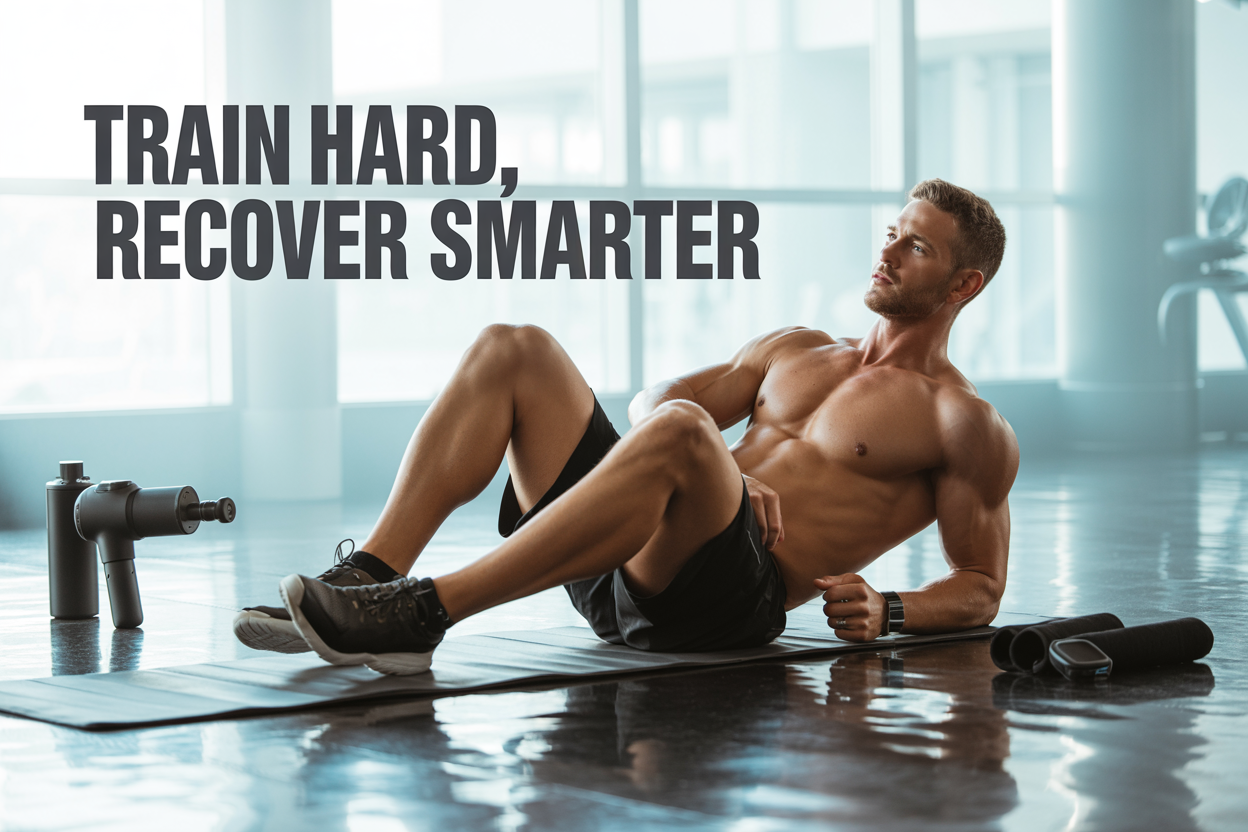
Pushing your body to new limits feels amazing until the next day hits. Athletes, fitness enthusiasts, and active professionals know the struggle - you want to train consistently but soreness and tight muscles keep slowing you down.
Smart recovery isn't just about ice baths and stretching anymore. The right combination of traditional methods, modern recovery tools like muscle massagers and portable massage equipment, and strategic rest can keep you feeling strong every day instead of dragging through workouts.
We'll break down traditional recovery methods that help but have limits, explore smart recovery tools like the PowerCup device and other electric massage machines that deliver real results, and show you why focusing on recovery actually makes you stronger faster. You'll also learn when professional therapy is worth the investment and when a handheld muscle reliever can do the job just as well.
The goal isn't to work harder - it's to recover smarter so you can show up ready for every training session.
1. Traditional Recovery Methods (Helpful but Limited)
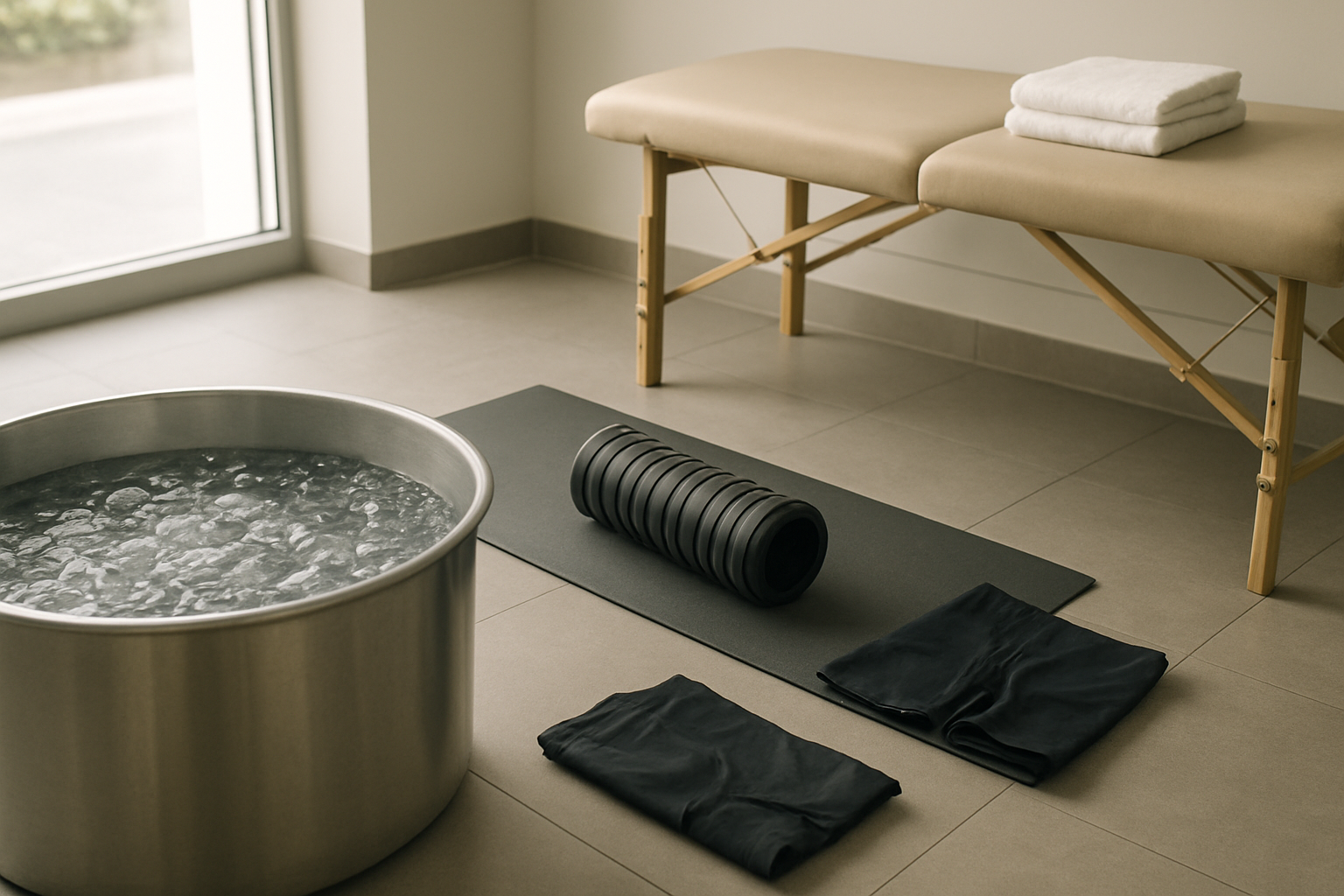
Common methods include:
Most athletes and fitness enthusiasts rely on a handful of traditional recovery approaches that have been around for decades. Stretching remains the most popular choice, with static and dynamic stretches helping maintain flexibility and prevent muscle stiffness. Foam rolling has gained massive popularity in gyms and homes, allowing people to work out muscle knots and tension points.
Rest and sleep form the cornerstone of recovery, giving muscles time to repair and rebuild. Many people also turn to hot and cold therapy - think ice baths, heating pads, and alternating between saunas and cold showers. Basic massage through manual techniques or simple massage tools provides temporary relief for sore muscles.
Other common methods include light cardio during recovery days, proper hydration, and anti-inflammatory foods or supplements. Some athletes swear by compression garments to improve blood flow during recovery periods.
Why they help:
These traditional methods work because they address fundamental aspects of muscle recovery. Stretching improves blood circulation and prevents muscles from tightening up after intense workouts. The increased blood flow delivers oxygen and nutrients while removing metabolic waste products like lactic acid.
Foam rolling applies myofascial release principles, breaking up adhesions in muscle tissue and improving mobility. Quality sleep triggers the release of growth hormone, which repairs damaged muscle fibers and builds new ones.
Hot and cold therapy creates a pumping effect in blood vessels - heat dilates them while cold constricts them, pushing fresh blood through the muscles. Manual massage stimulates pressure receptors, which can block pain signals and promote relaxation through the parasympathetic nervous system.
But here's the problem:
While these methods provide benefits, they come with significant limitations that prevent optimal recovery. Time becomes the biggest obstacle - proper stretching routines take 20-30 minutes, and effective foam rolling sessions require another 15-20 minutes per muscle group.
Manual massage costs $60-120 per session and requires scheduling appointments weeks in advance. Most people can't afford regular professional treatments or don't have time for lengthy recovery routines between demanding work schedules and family commitments.
Inconsistency kills results. When recovery becomes too time-consuming or expensive, people skip sessions or rush through them, reducing effectiveness. Traditional methods also lack the precision and intensity needed for deep muscle penetration, especially for stubborn knots and chronic tension areas.
Many traditional approaches provide only surface-level relief rather than addressing deeper muscle layers where serious tension and adhesions develop. Without consistent, targeted pressure at the right intensity, recovery remains incomplete, leading to accumulated fatigue and higher injury risk over time.
2. Smart Recovery Tools (Efficient & Recommended Solution)

Targeted Deep Muscle Relief
Smart recovery tools like advanced muscle massagers and powercup devices deliver precision therapy that reaches problem areas traditional methods often miss. These electric massage machines use scientific percussion and vibration technology to penetrate deep muscle layers, breaking up knots and adhesions that cause persistent pain and stiffness.
The powercup device combines suction therapy with targeted massage, creating negative pressure that increases blood flow and releases muscle tension. Unlike foam rollers that only address surface-level tightness, these deep tissue massage tools work at multiple depths, addressing both superficial and deep muscle groups simultaneously.
Professional athletes swear by these athlete recovery tools because they deliver consistent pressure and intensity. You control exactly where the therapy goes and how much pressure you apply. The targeted approach means you spend less time on general recovery and more time addressing specific problem areas that impact your performance.
Convenient Anytime, Anywhere Recovery
Portable massage equipment revolutionizes recovery by making professional-grade therapy accessible 24/7. No more scheduling appointments or driving across town – your handheld muscle reliever travels with you to the gym, office, or on vacation.
These compact sports injury therapy devices fit in gym bags and desk drawers. Battery life on modern units extends for weeks of regular use, and many offer multiple intensity settings to match your specific needs. Whether you need gentle recovery after a light workout or aggressive therapy following intense training, you adjust the settings instantly.
The convenience factor changes how people approach recovery. Instead of saving up tension for weekly massage appointments, you address muscle tightness as it develops. This proactive approach prevents minor issues from becoming major problems.
Faster Recovery with Consistent Results
Home massager gadgets deliver measurable improvements in recovery time when used consistently. Studies show regular use reduces muscle soreness by up to 30% and improves range of motion within days of starting a routine.
The key advantage lies in consistency. While professional therapy might happen weekly or monthly, smart recovery tools work daily. This regular stimulation keeps muscles loose, circulation flowing, and recovery processes active. Users report falling asleep faster, waking up less stiff, and maintaining energy throughout demanding training cycles.
These pain relief solutions also provide instant feedback. You feel the tension release in real-time and can adjust technique immediately. This responsiveness accelerates the learning curve, helping you become more effective at self-treatment over time.
👉 It’s a practical and powerful option for anyone looking for real pain relief solutions without spending hours or booking appointments.
3. Professional Therapy (Effective but Expensive)
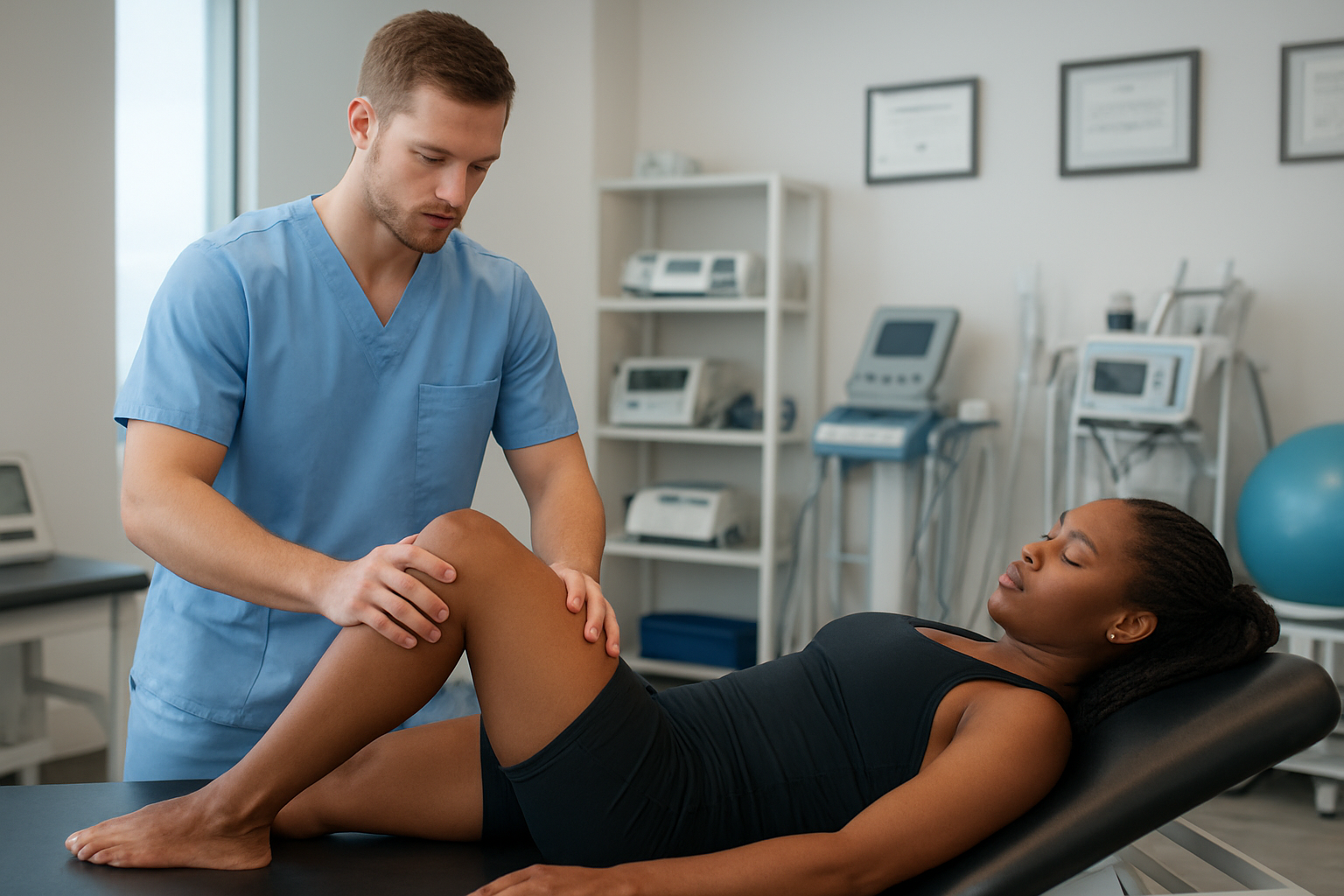
Examples include:
Professional sports medicine clinics offer specialized recovery treatments that go far beyond what you can do at home. Physical therapists use advanced techniques like dry needling, cupping therapy, and medical-grade deep tissue massage to target specific muscle groups and injury sites. Massage therapists trained in sports recovery provide therapeutic sessions that can cost $80-150 per hour, focusing on breaking down scar tissue and improving circulation.
Chiropractors specializing in athletic performance combine spinal adjustments with soft tissue work to address alignment issues that affect recovery. Some clinics offer cutting-edge treatments like cryotherapy chambers, infrared saunas, and compression therapy using pneumatic devices that cost thousands of dollars.
Sports medicine doctors can prescribe targeted interventions including platelet-rich plasma (PRP) injections, cortisone shots, and specialized rehabilitation programs. Many professional athletes work with entire teams of specialists including physical therapists, massage therapists, and recovery coaches who coordinate comprehensive treatment plans.
Benefits:
The expertise you get from trained professionals can't be replicated at home. Physical therapists understand muscle anatomy, movement patterns, and injury mechanics in ways that allow them to identify and address problems before they become serious issues. They can spot compensation patterns and muscle imbalances that lead to chronic pain or recurring injuries.
Professional treatments often provide faster results because they're more targeted and intensive than anything you can do yourself. A skilled massage therapist can break up adhesions and trigger points more effectively than any handheld muscle reliever or electric massage machine. The immediate relief and improved range of motion you get from professional sessions can be dramatic.
Having a professional assess your recovery needs means getting personalized treatment plans based on your specific sport, training load, and injury history. This individualized approach often leads to better long-term outcomes than generic recovery routines.
Downsides:
The biggest barrier is cost - regular professional therapy sessions can easily run $200-400 per week for serious athletes. Insurance rarely covers sports massage or preventive therapy, making it a significant out-of-pocket expense that many people simply can't sustain long-term.
Scheduling becomes a major challenge when you're training hard. Finding appointment times that work with your training schedule, especially for multiple types of therapy, can be nearly impossible. Many clinics have limited evening and weekend availability.
You become dependent on others for your recovery, which creates problems when your therapist is unavailable or you're traveling. This dependency can actually hurt your understanding of your own body and what it needs for optimal recovery.
Geographic limitations mean quality sports therapy might not be available in your area. Even in major cities, the best practitioners often have long waiting lists, leaving you stuck with less experienced providers or no options at all.
👉 While effective, it’s not always realistic for daily or frequent use.
4. Why Smart Recovery Matters More Than You Think
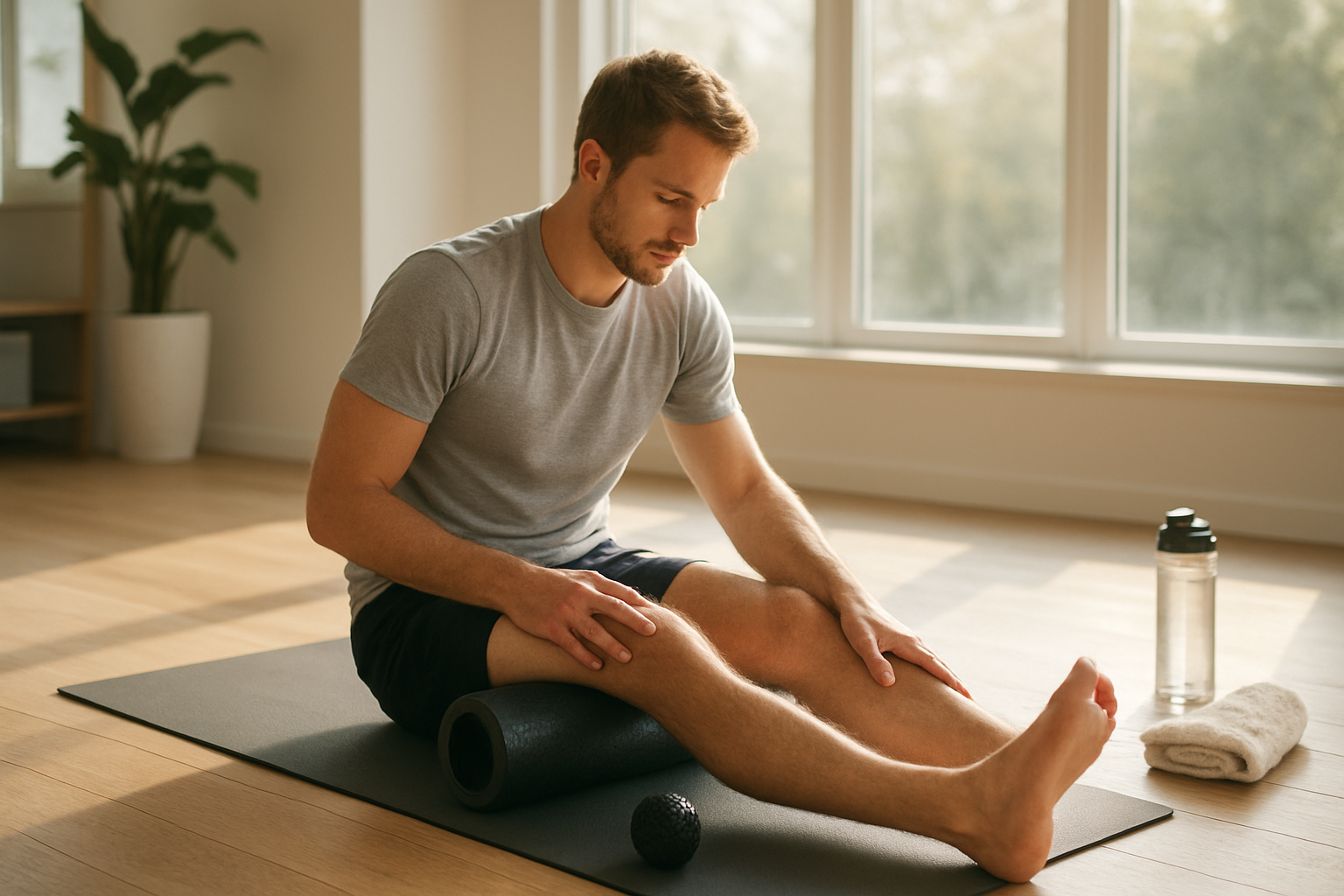
Prevent Injuries Before They Happen
Your body gives you warning signals long before an actual injury occurs. That tight spot in your shoulder, the nagging tension in your calves, or the stiffness you feel after workouts - these are your muscles crying out for attention. Smart recovery tools like a quality muscle massager help you address these issues before they snowball into something serious.
Regular use of devices such as a powercup device or electric massage machine targets problem areas with precision. These tools deliver deep tissue massage that reaches layers traditional stretching can't touch. When you consistently work out muscle knots and tension, you're essentially performing maintenance on your body's engine.
Think about it this way: you wouldn't ignore a strange noise coming from your car's engine, so why ignore the warning signs your muscles are sending? Portable massage equipment makes it easy to address these issues immediately after training or during rest days. This proactive approach keeps small problems from becoming major setbacks that could sideline you for weeks.
Improve Performance and Consistency
Recovery isn't just about feeling better - it's about performing better. When your muscles recover properly, they rebuild stronger and more efficiently. Smart recovery tools accelerate this process by improving blood flow and reducing inflammation at the cellular level.
Athlete recovery tools like professional-grade massagers help maintain optimal muscle function between training sessions. This means you show up to each workout feeling fresh rather than carrying fatigue from previous sessions. The difference in your performance becomes noticeable within weeks of establishing a consistent recovery routine.
Your training consistency improves dramatically when recovery becomes part of your daily routine. Instead of taking forced rest days due to excessive soreness or minor injuries, you can maintain your training schedule. A handheld muscle reliever becomes your secret weapon for staying on track with your fitness goals.
Boost Long-Term Results and Motivation
The psychological impact of smart recovery extends far beyond physical benefits. When you feel good in your body, you're naturally more motivated to maintain healthy habits. This creates a positive feedback loop that sustains long-term success.
Home massager gadgets make recovery convenient and accessible. You don't need to schedule appointments or travel to get the relief you need. This convenience factor dramatically increases adherence to recovery protocols. When something is easy to do, you're more likely to stick with it.
Smart recovery also prevents the boom-bust cycles that derail so many fitness journeys. Instead of pushing hard until you burn out or get injured, you maintain steady progress over months and years. Pain relief solutions that you can use at home keep you moving forward consistently, building momentum that compounds over time.
The investment in quality sports injury therapy tools pays dividends in reduced healthcare costs, fewer missed workouts, and sustained motivation. Your future self will thank you for prioritizing recovery today.
Using tools like a handheld muscle reliever or electric massage machine allows you to recover faster, so you can train harder without setbacks.
Conclusion
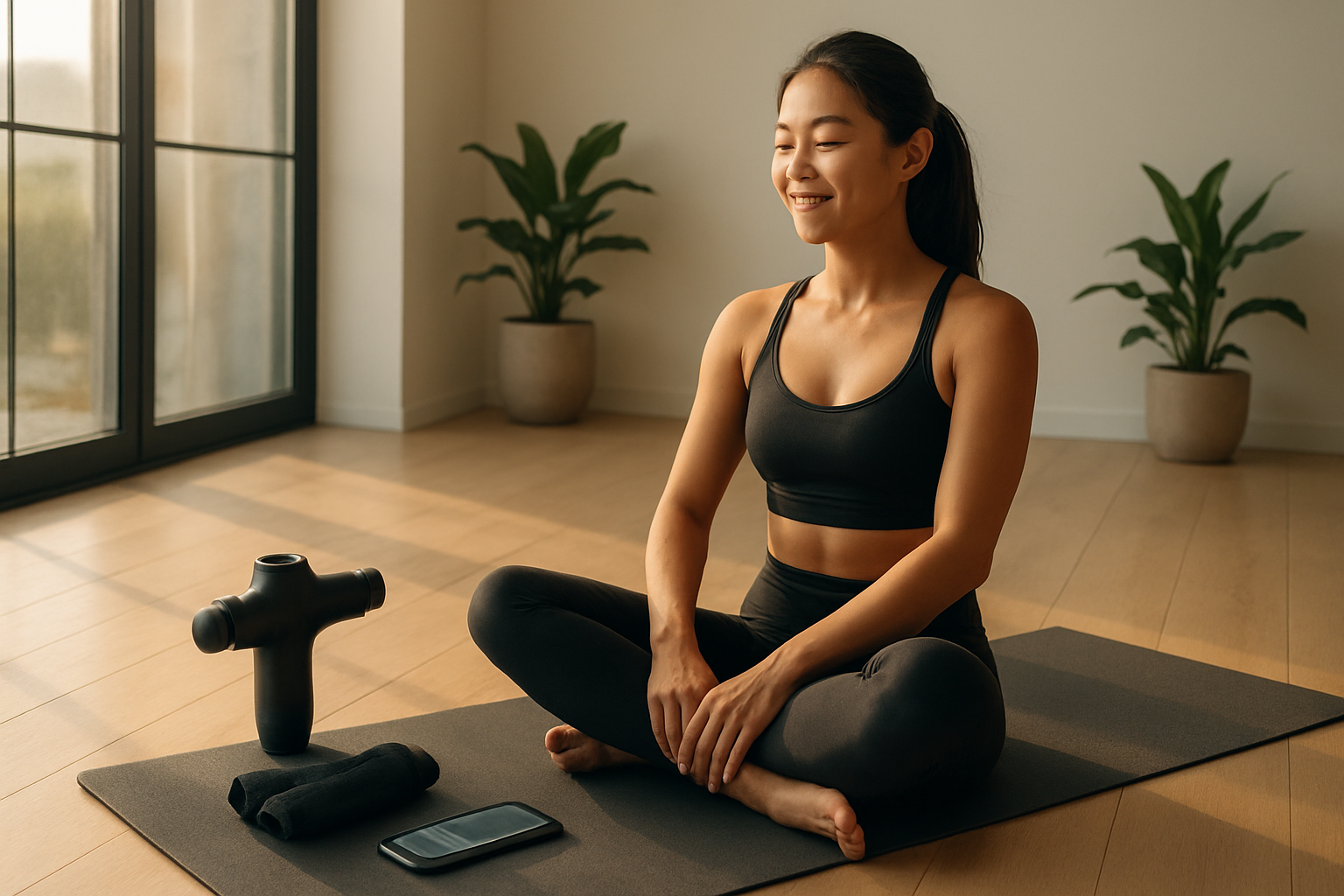
Recovery isn't just about waiting for soreness to fade—it's about actively supporting your body's healing process. While traditional methods like stretching and ice baths provide some relief, smart recovery tools like cupping massagers deliver targeted, efficient results that fit seamlessly into your routine. Professional therapy remains the gold standard, but the convenience and effectiveness of modern recovery devices make consistent self-care more accessible than ever.
Your training consistency depends on how well you recover, not just how hard you push. Investing in smart recovery tools that offer deep muscle relief, portability, and ease of use can transform your entire fitness journey. Don't let stubborn soreness derail your progress—embrace recovery strategies that work as hard as you do, and feel strong every single day.
👉 Do you struggle with muscle soreness after workouts? What’s your current recovery routine like?
💡 If you’re looking for a faster and more convenient way to relieve soreness and improve recovery, using smarter tools can make a noticeable difference.
👉 Curious to recover faster and feel stronger every day?
Explore a simple solution designed to help you relieve muscle tension and train with confidence.
💡 Love smart ideas like this?
👉 Follow us on Pinterest for daily inspiration
