


)

“Why Kids Lose Interest in Drawing (And How to Fix It)”
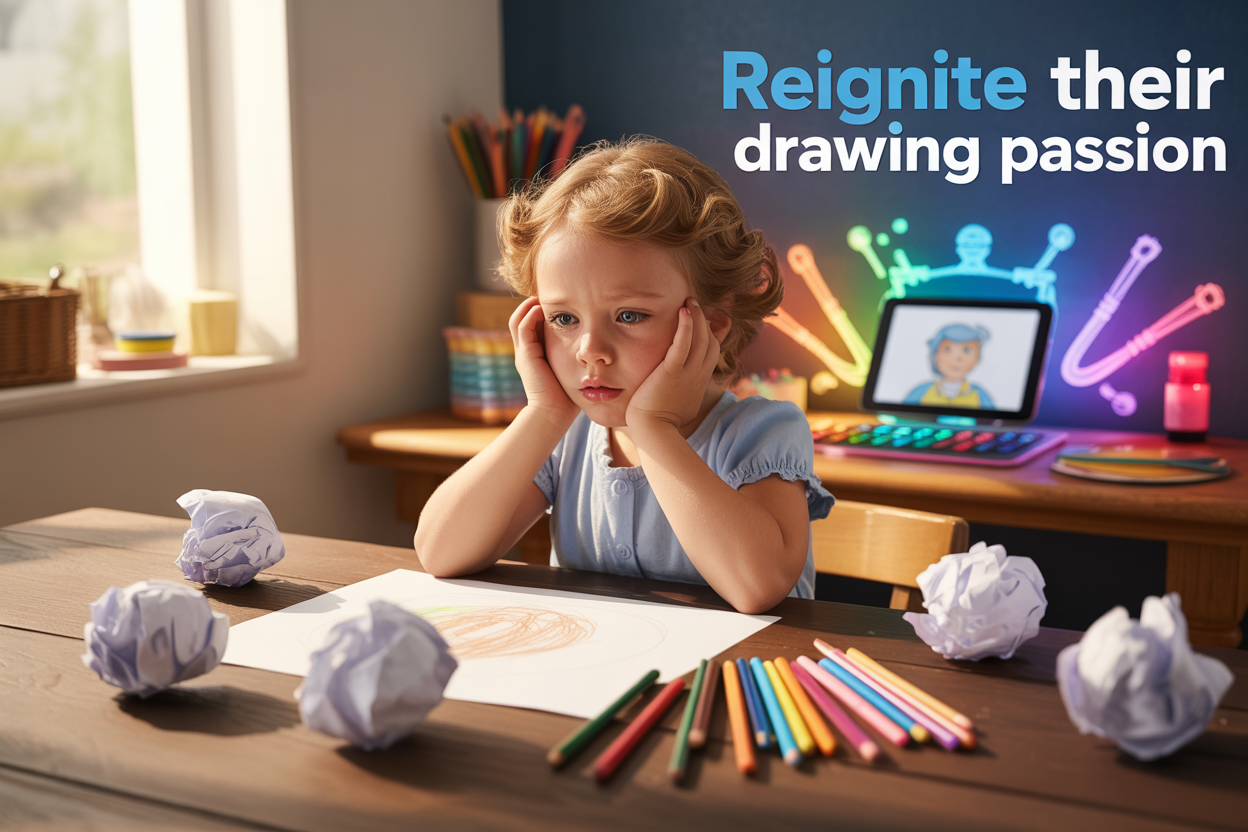
Many children start drawing with excitement but gradually lose interest as they face challenges with traditional methods. If you're a parent, teacher, or caregiver watching a child's artistic spark fade, you're not alone—and there are practical solutions.
This guide is for parents and educators who want to understand why kids abandon drawing and how to reignite their creative passion using modern tools and proven strategies.
We'll explore why traditional drawing methods often fail to keep children engaged, diving into the psychology behind what truly motivates young artists. You'll discover how technology solutions like magic kids projectors and interactive art tables can transform frustrating drawing sessions into confident creative time. Finally, we'll cover age-appropriate tools and proven strategies that build long-term drawing confidence, helping you measure real progress in your child's artistic development.
The good news? With the right approach and tools—from kids art projectors to portable drawing tables—you can turn drawing struggles into daily victories.
Why Traditional Drawing Methods Fail to Keep Kids Engaged
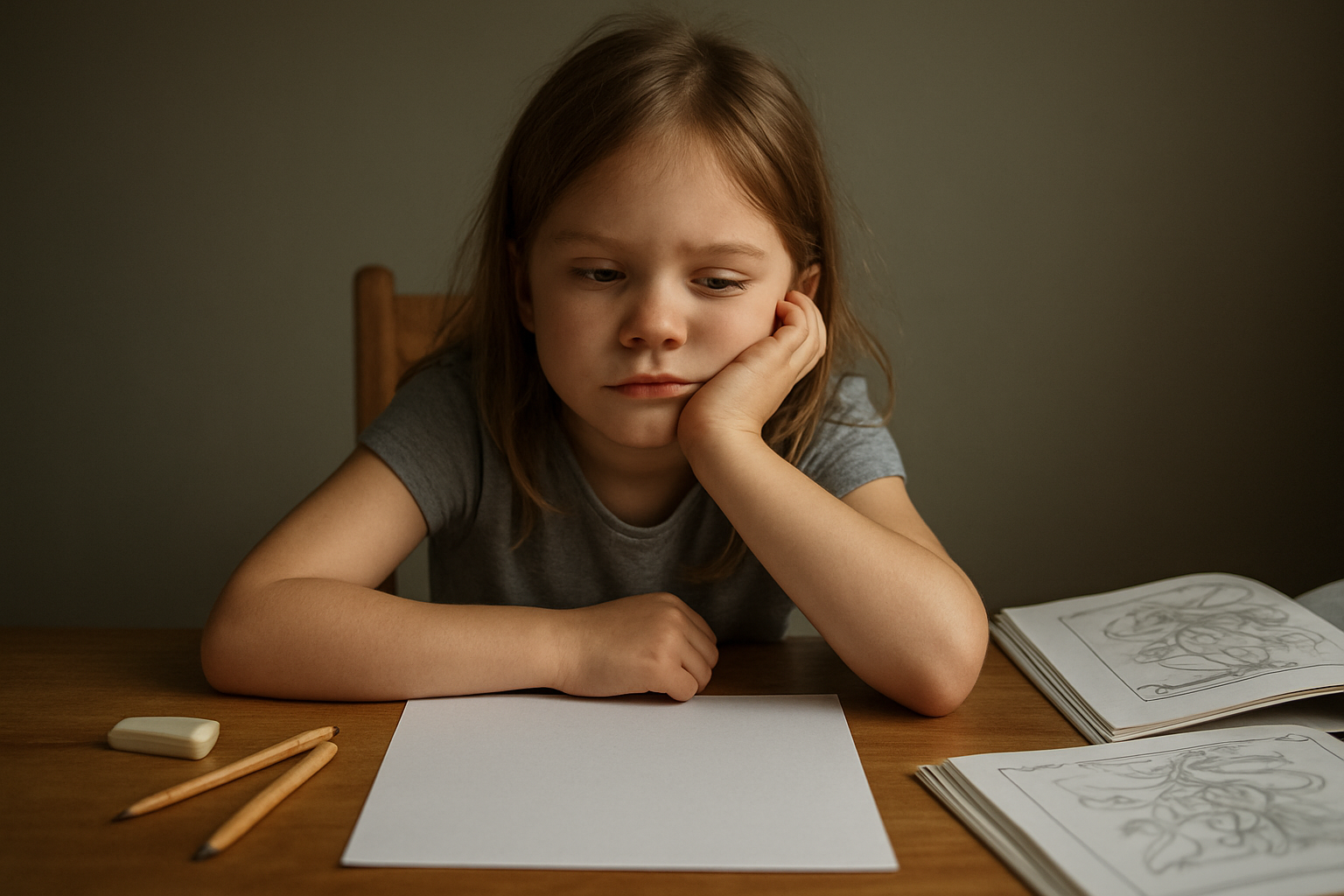
Complex patterns overwhelm young artists and crush confidence
When children encounter drawing tutorials filled with intricate details and advanced techniques, they quickly become discouraged. Traditional art instruction often presents patterns and designs that are far beyond a child's developmental abilities, creating an immediate barrier to success. Kids lose focus when patterns are too hard to copy, leading to abandoned projects and diminished self-esteem.
The complexity issue extends beyond just the difficulty level - it's about matching instruction to cognitive development. Young artists need simplified, step-by-step approaches that build gradually in complexity. When faced with overwhelming pattern work, children often shut down entirely rather than attempt what seems impossible. This creates a negative association with drawing that can persist for years.
Modern solutions like a magic kids projector or kids art projector can help bridge this gap by providing guided visual assistance that makes complex patterns more manageable and less intimidating for developing artists.
Messy surfaces and wasted materials create frustration
Traditional drawing setups contribute significantly to children's frustration through poor workspace management. Struggling with messy drawing surfaces and wasted paper creates frustration that extends far beyond the artistic process itself. When pencil marks smudge, erasers leave residue, and multiple sheets get crumpled from repeated attempts, children begin to associate drawing with chaos rather than creativity.
The physical environment plays a crucial role in maintaining engagement. Disorganized materials, ink-stained surfaces, and constantly replacing wasted supplies interrupt the creative flow and shift focus from artistic expression to cleanup and resource management. This practical frustration often becomes the primary reason children abandon drawing activities altogether.
A children drawing table or interactive art table designed specifically for young artists can eliminate many of these surface-related issues, providing a clean, organized workspace that supports rather than hinders the creative process.
Lack of guided structure makes progress hard to see
Without clear progression markers and structured guidance, children struggle to recognize their artistic development. Traditional methods often lack the systematic approach needed to help young artists understand where they're improving and what skills they're building. This absence of visible progress creates doubt about whether continued effort is worthwhile.
Children thrive on seeing tangible evidence of their growth. When drawing instruction lacks clear milestones or structured skill-building sequences, young artists can't connect their efforts to meaningful advancement. This uncertainty about progress becomes particularly problematic during challenging periods when natural frustration occurs.
Educational toys for toddlers and learning aids for kids that incorporate structured progression systems help address this gap by providing clear feedback and measurable advancement opportunities that traditional methods often miss.
The Hidden Psychology Behind Children's Drawing Motivation

Kids need immediate positive feedback to stay interested
Children's drawing motivation thrives on instant gratification and positive reinforcement. When young artists experience immediate success through their creative efforts, they develop a psychological connection that transforms drawing from a frustrating task into an enjoyable activity. Guided tracing sessions boost confidence and make drawing simpler and more fun, providing immediate positive feedback that keeps children engaged throughout their artistic journey.
This instant feedback loop is crucial because children's attention spans are naturally shorter, and they need quick validation to maintain interest. When kids see their drawings improve immediately through guided sessions, they experience a surge of accomplishment that motivates them to continue practicing and exploring their artistic abilities.
Clear visual guides help build step-by-step success
The foundation of sustained drawing motivation lies in providing children with clear, structured learning pathways. Clear visual guides from LED projectors help children build drawing skills step-by-step, improving lines and proportions quickly. This systematic approach breaks down complex drawing tasks into manageable segments, allowing children to experience success at each stage of their artistic development.
Visual guides serve as patient, consistent teachers that never rush or overwhelm young learners. By following these step-by-step instructions projected clearly before them, children can focus on mastering one element at a time rather than feeling overwhelmed by the entire drawing process. This methodical progression builds competence and confidence simultaneously, creating a positive psychological association with drawing activities.
Repetitive practice without mess reduces drawing anxiety
Drawing anxiety often stems from fear of making mistakes, creating messes, or wasting materials. The reusable porcelain surface allows for repeatable, mess-free practice, reducing paper waste and cleanup time, which can lessen drawing anxiety significantly. This innovative approach removes many of the stress-inducing elements that traditionally discourage children from practicing their drawing skills.
When children know they can erase and start over without consequences, they become more willing to experiment and take creative risks. The mess-free environment created by reusable surfaces eliminates parental concerns about cleanup, which often translates into less restrictive creative sessions for children. This freedom from mess-related anxiety allows kids to focus purely on the joy of creating, fostering a healthier long-term relationship with artistic expression.
Technology Solutions That Reignite Drawing Passion
LED Projection Provides Clear, Traceable Templates for Skill Building
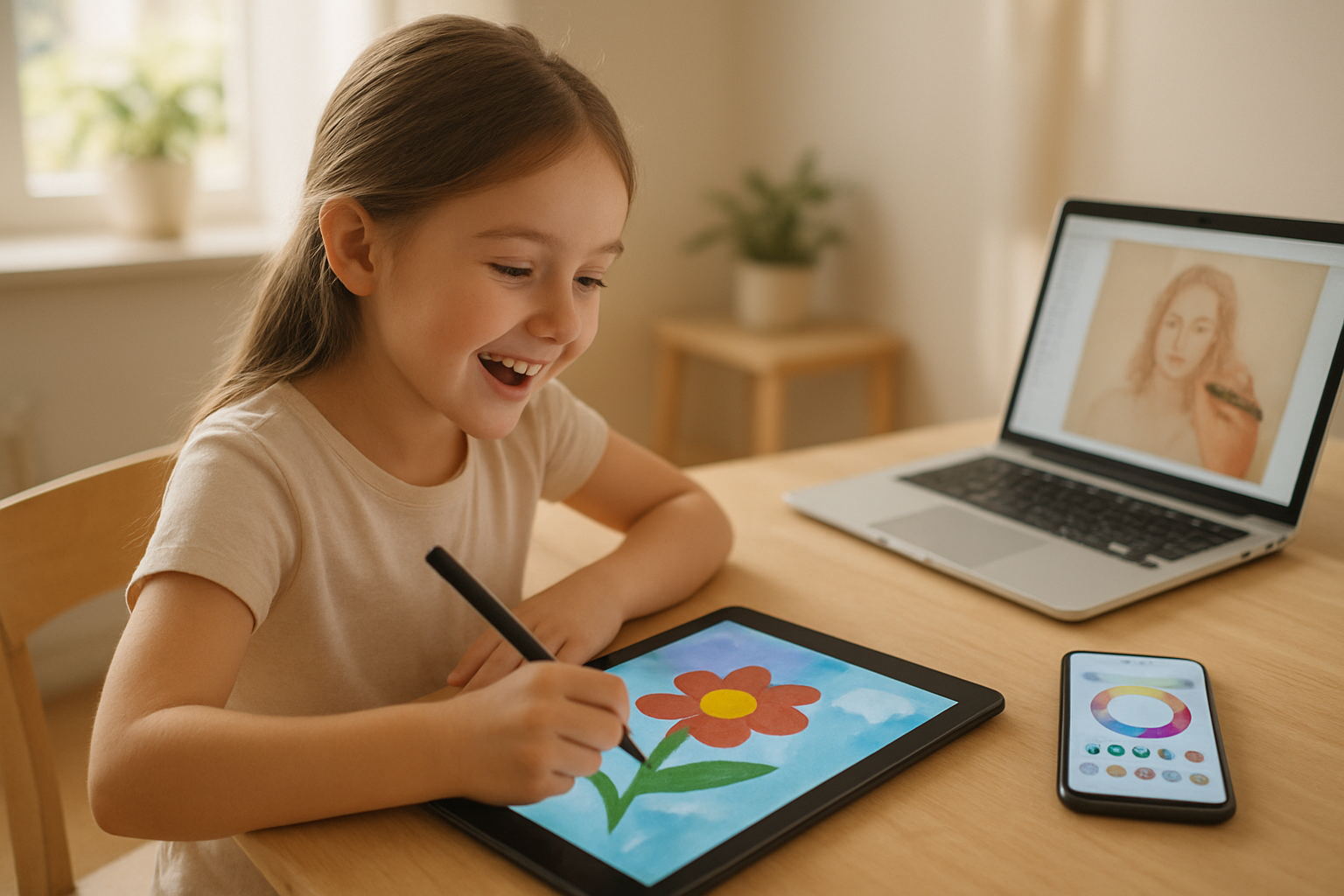
LED projectors cast clear images and crisp templates for tracing, enabling children to build drawing skills step-by-step and improve lines and proportions. This magic kids projector technology transforms any flat surface into an interactive learning canvas, providing young artists with the visual guidance they need to develop fundamental drawing techniques. Unlike traditional methods that can leave children feeling frustrated by imperfect attempts, these kids art projectors offer a supportive framework that builds confidence through successful completion of recognizable images.

👉 Magic Kids Art Projector Table
The precision of LED projection technology ensures that every line and curve is clearly visible, allowing children to focus on hand-eye coordination and muscle memory development. As kids trace these projected templates repeatedly, they naturally internalize proper proportions and spatial relationships, creating a solid foundation for independent drawing later. This creative kids gadget approach eliminates the guesswork that often leads to discouragement in young artists.
Wipe-Clean Surfaces Eliminate Paper Waste and Cleanup Stress
Wipe-clean porcelain drawing boards allow for repeatable, dust-free practice, reducing paper waste and making cleanup fast and easy. These innovative surfaces on children drawing tables completely transform the drawing experience by removing two major barriers that parents and children face: constant supply costs and messy cleanup sessions.
The porcelain surface provides the perfect texture for drawing implements while ensuring that mistakes can be instantly erased without leaving traces. This interactive art table feature encourages experimentation and risk-taking in young artists, as they know they can easily correct errors or start fresh whenever needed. Parents benefit from the streamlined maintenance, as there's no need to constantly replenish paper supplies or deal with eraser shavings and torn pages scattered around the workspace.
The durability of these wipe-clean surfaces means they can withstand countless drawing sessions while maintaining their smooth, responsive quality. This makes them ideal educational toys for toddlers who are still developing fine motor control and may apply varying pressure during their creative process.
Interactive Features Like Music Keep Creative Sessions Engaging
An included music option helps keep the mood positive and children entertained during creative sessions. This thoughtful addition transforms portable drawing tables into comprehensive entertainment centers that address children's need for multi-sensory engagement. The musical component serves as both background ambiance and a motivational tool, helping to maintain focus during longer drawing sessions.
The integration of music with visual learning creates an environment where children can enter a flow state more easily, leading to more satisfying and productive creative experiences. This feature particularly benefits children who learn better with auditory stimulation, making these fun drawing projectors accessible to different learning styles and preferences.
These learning aids for kids recognize that sustained attention requires more than just visual elements, incorporating sound to create a holistic experience that keeps young minds engaged and excited about continuing their artistic journey.
Proven Strategies to Build Long-Term Drawing Confidence
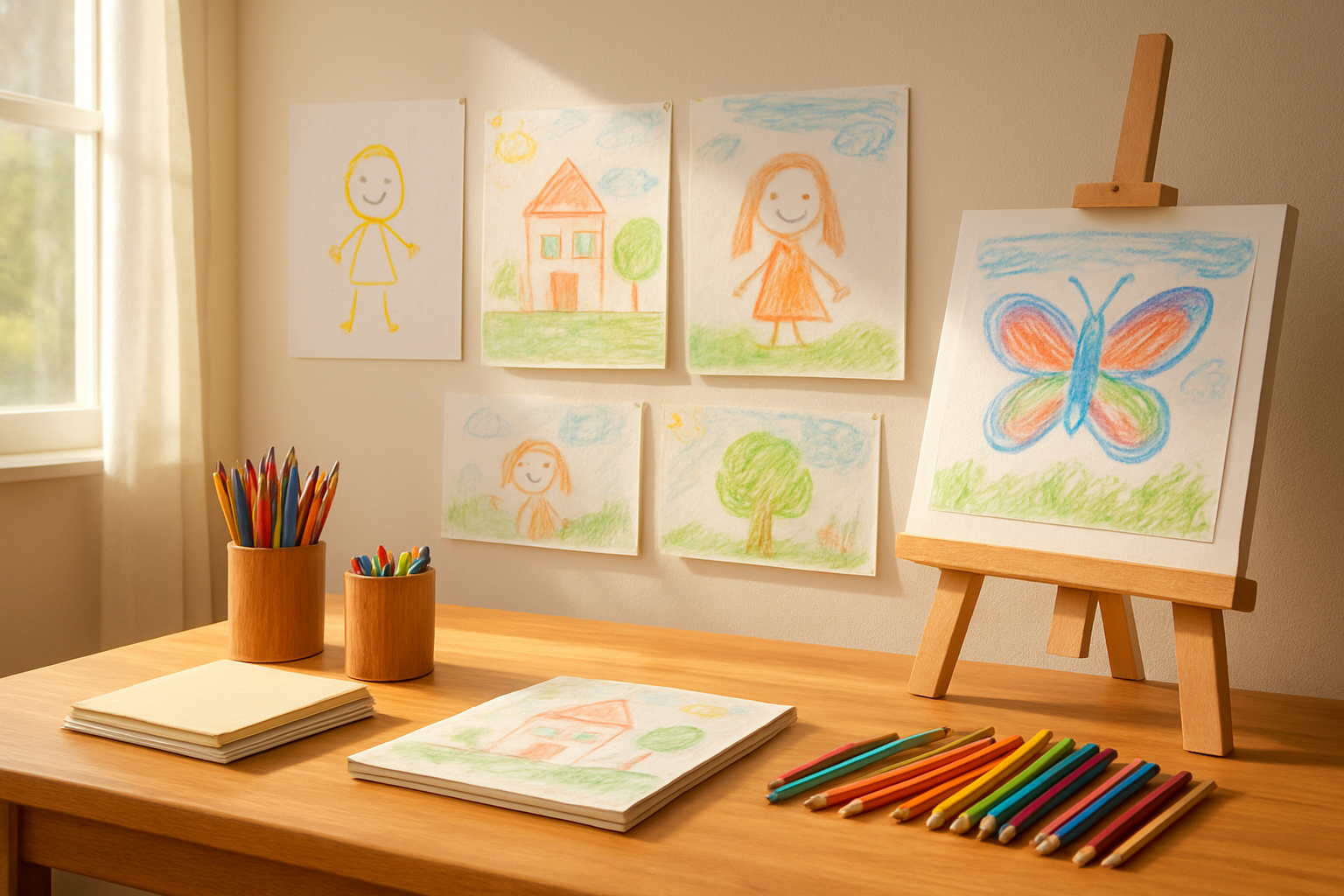
Start with guided tracing to develop hand coordination
Guided tracing sessions serve as the foundation for building your child's drawing confidence while rapidly improving their line work and proportions. This technique helps children develop essential hand coordination through structured practice, creating a clear pathway from basic motor skills to more complex artistic expression. When children follow predetermined paths and shapes, they build muscle memory that translates directly into improved freehand drawing abilities.
The beauty of guided tracing lies in its immediate feedback mechanism. As children trace along established lines, they can instantly see when they're staying on track and when they need to adjust their grip or pressure. This real-time correction builds confidence because success is measurable and achievable, even for beginners who might otherwise feel overwhelmed by blank surfaces.
Use reusable surfaces for stress-free practice and experimentation
Implementing reusable, wipe-clean porcelain surfaces transforms the drawing experience from a high-stakes activity into stress-free practice and experimentation. These surfaces eliminate the anxiety that comes with "wasting" paper, allowing children to make mistakes, erase, and try again without any guilt or resource concerns. This freedom to experiment is crucial for developing artistic confidence, as children can explore different techniques without fear of judgment or waste.
The porcelain surfaces particularly excel in educational toys for toddlers applications, as they provide a smooth, consistent drawing experience that responds well to various drawing tools. Children can practice the same drawing multiple times, refining their technique with each attempt. This repetitive practice on interactive art table setups helps solidify muscle memory while building confidence through gradual improvement.
Create stable, dedicated drawing spaces that encourage regular use
Establishing a stable setup with sturdy legs and smooth edges creates an environment where children can focus on drawing for extended periods without distraction or safety concerns. The physical stability of a dedicated children drawing table prevents accidents and wobbling that can disrupt a child's concentration and break their creative flow. When children don't have to worry about their workspace shifting or materials sliding around, they can dedicate their full attention to developing their artistic skills.
A well-designed drawing space with projector table for kids features encourages regular use by making art creation an accessible, everyday activity rather than a special occasion requiring setup time. The smooth edges ensure safety during longer drawing sessions, while the sturdy construction provides the reliability children need to build consistent drawing habits that foster long-term confidence development.
Age-Appropriate Tools That Actually Work for Different Skill Levels
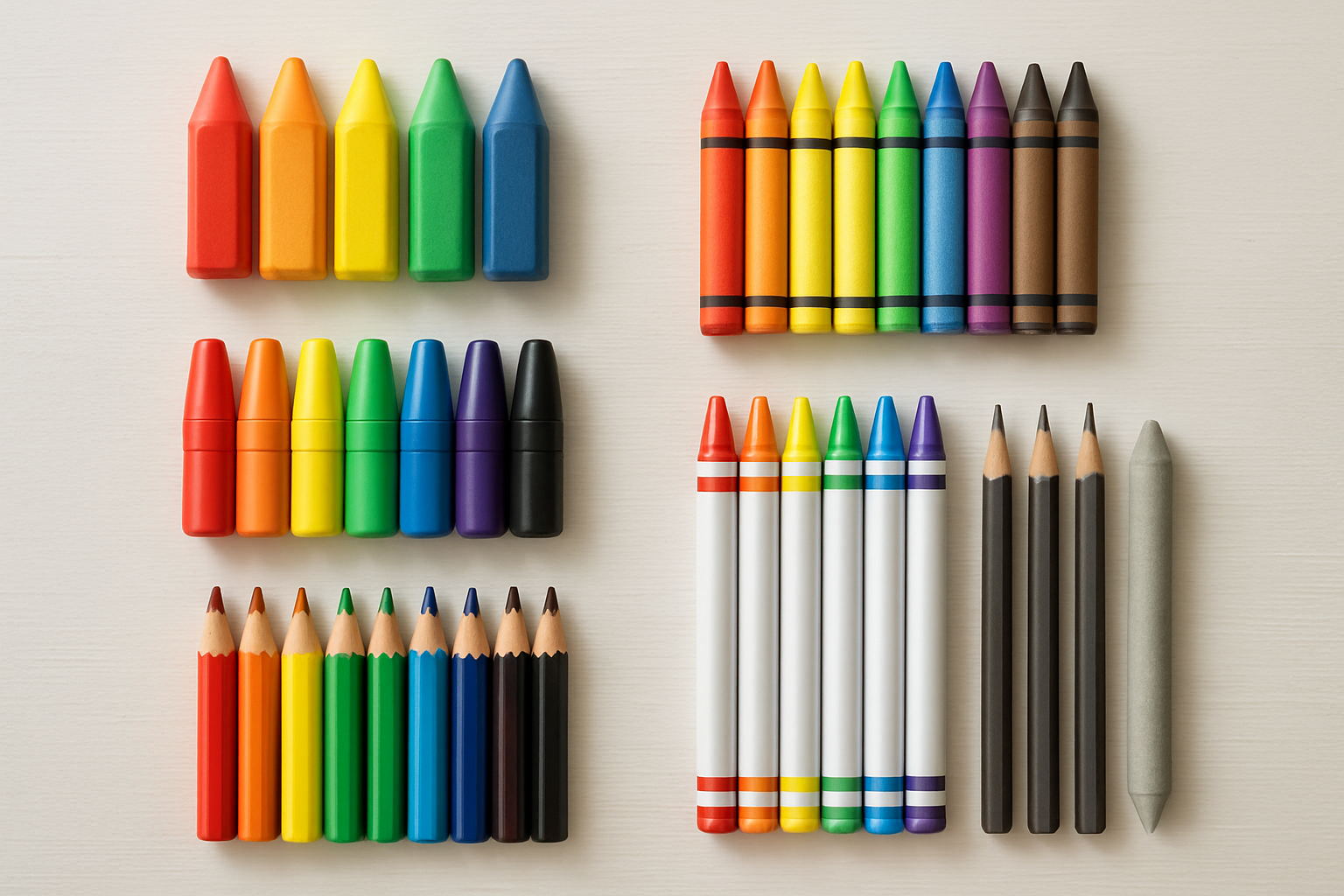
Beginner-friendly equipment for ages 3 and up
The Magic Kids Art Projector Table stands out as an ideal starting point for young artists, specifically designed for ages 3 and up. This innovative kids art projector creates an engaging foundation that helps beginners develop essential coordination and confidence through guided drawing experiences. Unlike traditional art supplies that can overwhelm young children, this children drawing table provides structured templates that make drawing feel achievable from the very first session.
The projector table for kids features specially designed trace-ready templates that accommodate the developmental needs of preschoolers and early elementary students. These templates eliminate the intimidation factor that often causes children to abandon drawing before they've truly begun. The projected images serve as gentle guides, allowing young artists to experience success while gradually building their motor skills and artistic confidence.
Included supplies that eliminate setup barriers
One of the most significant obstacles to maintaining children's interest in drawing is the preparation time required before creativity can begin. The Magic Kids Art Projector addresses this challenge by including everything needed for immediate artistic engagement. The complete package comes with watercolor pens specifically chosen to work seamlessly with the projection system, ensuring vibrant results that motivate continued exploration.
The rotating pattern slides add variety and sustained interest to each creative session. These slides eliminate the need for parents to constantly source new drawing ideas or worry about having appropriate materials on hand. This creative kids gadget transforms into an interactive art table that's ready for action at a moment's notice, removing the friction that typically leads to abandoned art projects.
Portable solutions for consistent practice anywhere
Consistency plays a crucial role in developing artistic skills, and the portability of this educational toy for toddlers ensures that creative practice doesn't stop when children leave home. The lightweight design makes it practical for parents to maintain drawing routines during travel, visits to relatives, or even short creative breaks in different rooms of the house.
The removable legs feature adds exceptional versatility to this portable drawing table, allowing it to adapt to various environments and seating arrangements. Whether used on a coffee table during a family gathering or set up in a hotel room during vacation, this fun drawing projector maintains the familiar, engaging experience that keeps children motivated. This consistent accessibility prevents the common problem of interrupted practice that often leads to lost interest in artistic pursuits.
Measuring Real Progress in Your Child's Artistic Development

Focus on Improved Line Work and Proportion Skills
Progress in your child's artistic development becomes measurably evident through enhanced line work and proportion skills. Research indicates that children using structured drawing tools, such as a magic kids projector or kids art projector, show significant improvements in as little as two weeks of consistent practice. These technical improvements manifest as smoother, more controlled lines and better understanding of spatial relationships between objects.
When evaluating your child's progress, observe how their line quality evolves from shaky, uncertain strokes to more confident, deliberate marks. The precision gained through tools like a projector table for kids helps children develop muscle memory and hand-eye coordination that transfers to freehand drawing. Additionally, proportion skills improve dramatically when children can trace and compare different elements within their artwork, leading to more realistic representations of people, animals, and objects.
Track Increased Drawing Session Duration and Frequency
A clear indicator of renewed artistic engagement is the dramatic increase in both session duration and frequency. Children using interactive art table setups or fun drawing projectors are reported to spend hours immersed in tracing and coloring activities, demonstrating sustained focus that was previously absent in traditional drawing methods.
This extended engagement reflects genuine interest rather than forced participation. When children naturally gravitate toward their children drawing table more frequently throughout the week, it signals that drawing has transformed from a chore into an enjoyable activity. The enhanced focus periods indicate improved attention spans and deeper cognitive engagement with the artistic process.
Celebrate Growing Independence and Creative Confidence
The most rewarding progress marker is witnessing your child's growing independence and creative confidence. Creative kids gadgets like drawing projectors make the artistic process more accessible, reducing frustration and building self-assurance. This confidence boost occurs over weeks of consistent use, as children experience success and begin to experiment with their own creative variations.
Independent creative play emerges naturally when children feel competent with their tools. They begin initiating drawing sessions without prompting and start incorporating imaginative elements beyond the projected templates. This transformation from dependent learner to confident creator represents the ultimate success in artistic development, fostering lifelong appreciation for creative expression.

When children lose interest in drawing, it's rarely about lack of talent—it's about finding the right approach that matches their developmental needs and learning style. By understanding the psychology behind their motivation, implementing age-appropriate tools, and using technology like art projector tables that make tracing and creating accessible, parents can transform frustrating art sessions into confident, enjoyable experiences.
The key to rekindling your child's artistic passion lies in removing barriers that make drawing feel difficult or messy. Tools with wipe-clean surfaces, guided tracing capabilities, and stable setups help children focus on developing their skills rather than struggling with the mechanics. When kids can see real improvement in their line work and finish projects successfully, their confidence grows naturally. Remember, the goal isn't perfection—it's about creating positive experiences that keep them coming back to draw, explore, and express their creativity day after day.
👉 Have you noticed your child losing interest in drawing over time? Tell us in the comments below!
💡 Sometimes, the right environment and tools can reignite creativity and make drawing fun again.
👉 Curious to try this yourself? Check out a fun way to make drawing exciting again
