


)

Why You Keep Oversleeping (And How to Stop It)
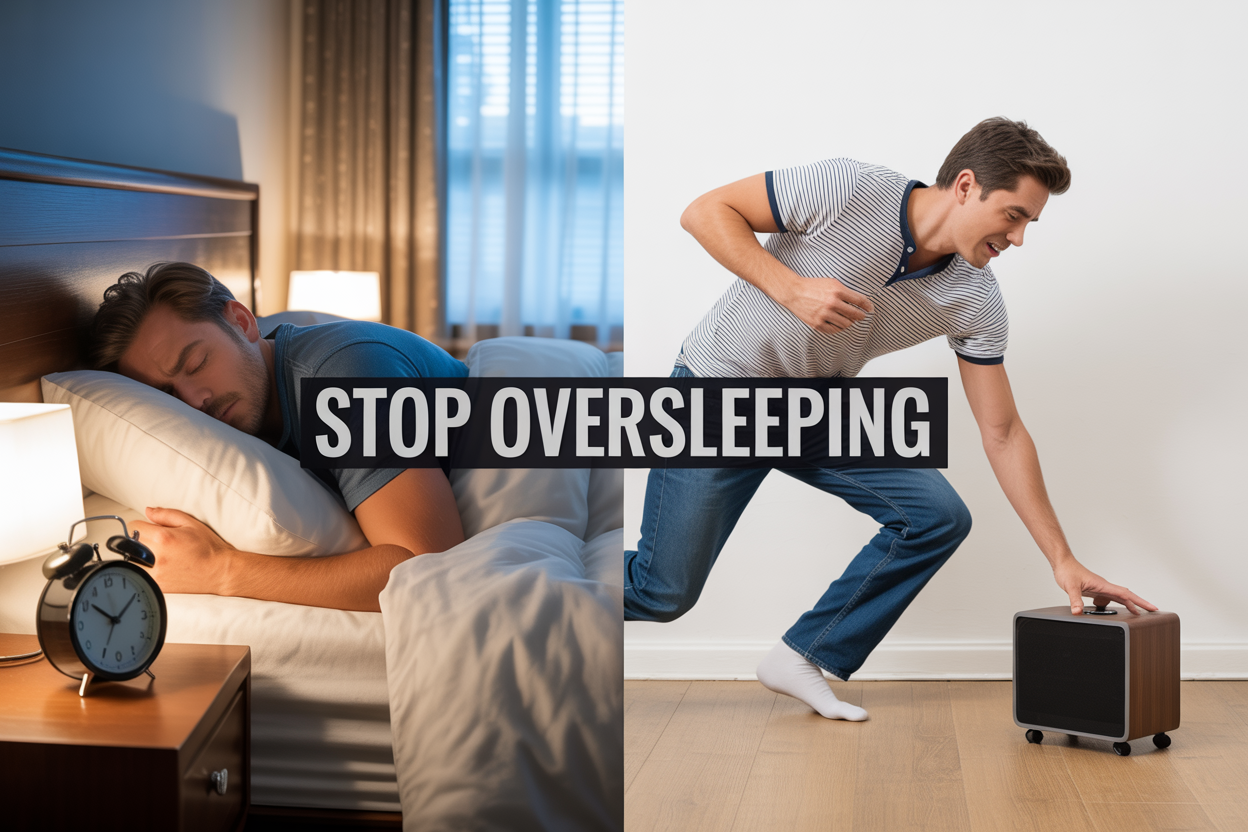
Hitting snooze repeatedly every morning? You're not alone. Millions of people struggle with oversleeping, especially those who are naturally heavy sleepers or work early shifts. Traditional alarm clocks simply aren't designed to wake people who sleep deeply or have developed strong snooze habits.
This guide is for anyone who's tired of rushing out the door late, missing workouts, or feeling stressed about their unreliable wake-up routine. You'll learn why regular alarms fail heavy sleepers and discover how moving alarm clocks force you out of bed by making you chase them down. We'll also cover practical wake-up methods that work on different surfaces and real results from people who finally stopped oversleeping using these active solutions.
Ready to turn your chaotic mornings into reliable starts? Let's dive into why your current alarm isn't working and what actually gets heavy sleepers up on time.
Why Traditional Alarm Clocks Fail to Wake Heavy Sleepers
The Snooze Button Creates a Cycle of Oversleeping
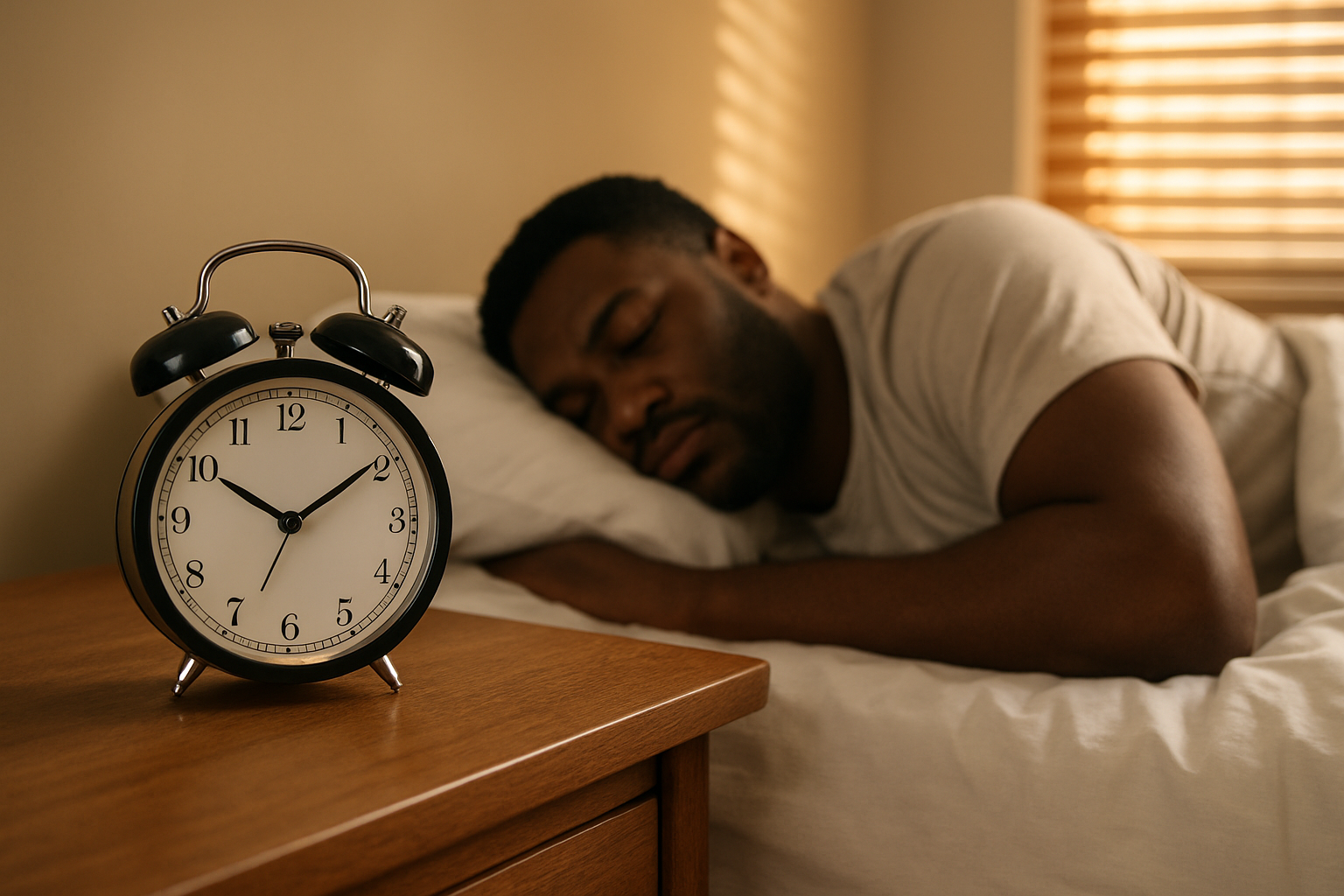
Traditional alarm clocks equipped with snooze buttons have become the primary culprit behind chronic oversleeping patterns. When heavy sleepers rely on standard alarms, they inevitably fall into the trap of hitting snooze multiple times throughout the morning. This repetitive behavior creates a destructive cycle where each snooze activation reinforces the habit of delaying wake-up time.
The convenience of the snooze button transforms what should be a single wake-up moment into an extended negotiation with sleep. Heavy sleepers find themselves caught in this loop, repeatedly choosing those extra minutes of rest over getting out of bed. This pattern not only leads to oversleeping but also results in missed appointments and disrupted daily schedules.
Each time you hit snooze, your brain learns that the alarm sound is not a definitive signal to wake up, but rather the beginning of a prolonged wake-up process. This conditioning makes traditional heavy sleeper alarm clock systems increasingly ineffective over time.
Static Alarms Allow You to Stay in Bed Too Long
Unlike moving alarm clocks that require physical engagement, static alarms enable users to remain comfortably in bed while attempting to wake up. This fundamental design flaw in traditional alarm systems directly contributes to extended snooze cycles and chronic oversleeping problems.
Static alarms positioned within arm's reach of the bed create an environment where turning off or snoozing the alarm requires minimal effort. Heavy sleepers can easily silence their alarm without fully emerging from their sleep state, allowing them to drift back into slumber almost immediately.
The accessibility of static alarms means there's no physical barrier between the sleeper and continued rest. Without the necessity to leave the comfort of the bed, users naturally choose the path of least resistance – staying put and hitting snooze repeatedly. This design limitation makes static alarms particularly ineffective for individuals seeking oversleeping solutions.
Lack of Physical Movement Keeps Your Body in Sleep Mode
Traditional alarm systems fail heavy sleepers because they don't require any physical movement to operate, allowing the body to remain in a dormant sleep state. The absence of required physical activity means that users can interact with their alarm while their bodies stay relaxed and primed for continued sleep.
When your body doesn't engage in physical movement upon hearing an alarm, your nervous system fails to fully activate the wake-up process. This physiological limitation keeps heavy sleepers trapped in a state of partial sleep, where they're somewhat aware of the alarm but not sufficiently aroused to begin their day.
The connection between physical movement and wakefulness is crucial for trouble waking up solutions. Without incorporating movement into the wake-up routine, the body's natural sleep inertia continues to dominate, making it nearly impossible for heavy sleepers to achieve full alertness. Traditional alarms that allow users to remain stationary essentially enable the perpetuation of sleep mode, regardless of how loud or persistent the alarm sound may be.
How Moving Alarm Clocks Force You Out of Bed

Physical Chase Activity Instantly Boosts Alertness
Moving alarm clocks revolutionize the wake-up process by requiring immediate physical engagement that transforms your morning routine. Unlike traditional stationary alarms that allow you to fumble for the snooze button while half-asleep, these innovative devices force you into action the moment they begin ringing. The physical chase activity creates an instant boost in alertness that cuts through the grogginess of sleep.
When your moving alarm clock rolls away from your bedside, your body must respond with quick physical action to silence it. This immediate movement requirement activates your nervous system and gets your blood flowing, naturally increasing your heart rate and oxygen circulation. The act of chasing the alarm effectively jumpstarts your metabolism and triggers the release of hormones that promote wakefulness, making it nearly impossible to fall back asleep once you've caught the device.
Loud Volume Cuts Through Deep Sleep Phases
Heavy sleeper alarm clocks equipped with moving mechanisms feature high-volume buzzers specifically designed to penetrate even the deepest sleep phases. These powerful audio systems cut through heavy sleep and ambient noise, ensuring reliable waking for those who struggle with traditional alarm methods. The combination of loud volume and movement creates a multi-sensory wake-up experience that addresses the unique challenges faced by heavy sleepers.
Unpredictable Movement Prevents Easy Alarm Dismissal
The unpredictable movement pattern of these alarm clocks eliminates the possibility of easy dismissal that plagues conventional wake-up methods. Since the device rolls in random directions, you cannot predict its location or develop muscle memory for quickly silencing it. This unpredictability requires active engagement and full consciousness to locate and stop the alarm, ensuring you're completely awake before the sound ends. The moving alarm clock's erratic path forces you to be alert and focused, preventing the automatic responses that allow oversleeping to continue.
👉 Explore this moving alarm clock designed to get heavy sleepers out of bed
Benefits of Active Wake-Up Methods for Your Daily Routine

End Endless Snooze Cycles That Make You Late
Active wake-up methods completely eliminate the snooze trap that plagues heavy sleepers every morning. Unlike traditional alarm clocks that allow you to repeatedly hit snooze from the comfort of your bed, these moving alarm clocks require immediate physical movement to silence the alarm. This forced action instantly breaks the cycle of endless snoozing that leads to chronic lateness and rushed mornings.
When your alarm requires you to physically get up and move to turn it off, you can't simply roll over and delay your wake-up time by another nine minutes. This immediate requirement for movement ensures you're already out of bed when the alarm stops, making it nearly impossible to fall back asleep and continue the destructive snooze pattern.
Build Consistent Morning Habits Through Forced Movement
The physical action required by active wake-up methods serves as a powerful foundation for building consistent morning routines. When you're forced to move immediately upon waking, you create a reliable trigger that helps maintain routine consistency regardless of your circumstances.
This forced movement becomes particularly valuable when traveling or staying in unfamiliar environments. While your surroundings may change, the requirement to physically engage with your alarm creates a stable anchor point for your morning routine. The consistency of this physical action helps establish a dependable wake-up pattern that transcends location-based disruptions.
Reduce Morning Stress and Rushed Commutes
Active wake-up methods significantly reduce the stress and anxiety that comes from late starts and rushed mornings. When endless snooze cycles are eliminated, you naturally gain back precious morning time that was previously lost to repeated delays.
This recovered time transforms your entire morning experience. Instead of frantically rushing through your routine, you have adequate time to prepare calmly for your day. The reduction in morning stress extends beyond your home, leading to calmer, less anxious commutes. This improved morning flow sets a positive tone that often carries throughout the entire day.
Improve Workout Consistency for Early Gym Sessions
For those committed to early morning fitness routines, active wake-up methods provide crucial support for maintaining workout consistency. The forced movement required to silence these alarms ensures you're immediately upright and alert, making it much easier to transition into your pre-gym routine.
When you eliminate the possibility of oversleeping through snooze abuse, you protect your scheduled gym time and maintain the consistency that's essential for fitness progress. This reliability in your wake-up routine translates directly into improved punctuality for both work commitments and early morning workout sessions.
👉 See how this active wake-up solution helps build more consistent mornings
Practical Solutions That Work on Different Surfaces
Choose Alarms That Function on Carpet and Hardwood
When selecting the right moving alarm clock for heavy sleepers, surface compatibility becomes a critical factor for reliable performance. Moving alarm clocks are specifically designed to function on various surfaces, with sophisticated mechanisms that handle both low-pile carpet and hardwood floors effectively. This versatility ensures that regardless of your bedroom flooring, your oversleeping solutions will work consistently when you need them most.
The engineering behind these devices accounts for the different friction levels and obstacles they may encounter. On hardwood floors, the alarm clock's wheels or movement mechanism can glide smoothly while maintaining control. Meanwhile, on carpeted surfaces, the same mechanisms are robust enough to navigate the texture and resistance of low-pile carpet without getting stuck or losing momentum.
This adaptability makes moving alarm clocks particularly valuable for heavy sleeper alarm clock users who may change their bedroom layout or move to different living spaces. You won't need to worry about purchasing different devices for different rooms or floor types, making this one of the most practical trouble waking up solutions available.
Place Your Alarm in Strategic Locations Near Your Bed
For optimal performance and to maximize your wake up methods effectiveness, it is recommended to place the alarm on a stable surface near the bed to allow for unpredictable movement. Strategic placement transforms a simple alarm into a powerful tool for those dealing with chronic sleep problems solutions.
The key to successful placement lies in creating enough space for the device to move freely while ensuring it remains within a reasonable distance from your sleeping area. Position the alarm clock on a nightstand, dresser, or even the floor beside your bed, giving it a clear path to roll or move in multiple directions. This unpredictable movement pattern is what makes these devices so effective as alarm clock for heavy sleepers options.
Consider the layout of your bedroom when determining the ideal starting position. Ensure there are no obstacles that could trap the device or prevent it from moving effectively. A stable, flat surface provides the best launching point, allowing the alarm's movement mechanism to engage properly and create the chase scenario that forces you out of bed.
Ensure Easy Shut-Off Once You Catch the Device
Once the device is caught, it is very easy to stop by pressing the top button, and this short action helps reset the brain and prevents falling back asleep. This user-friendly shut-off mechanism is crucial for completing the wake-up process effectively while avoiding frustration during those groggy morning moments.
The simplicity of the shut-off process ensures that even in your drowsy state, you can quickly silence the alarm without fumbling with complex controls. The top button design is intuitive and accessible, requiring just a simple press to stop the alarm completely. This straightforward approach prevents the irritation that might come with complicated shut-off procedures when you're already struggling with trouble waking up.
More importantly, this brief physical action of catching and stopping the device serves a psychological purpose in your morning routine. The short burst of activity and focus required to chase down and silence the alarm helps reset your brain's sleep patterns and creates a clear transition from sleep to wakefulness. This mental shift is essential for preventing the common trap of falling back asleep immediately after turning off a traditional alarm, making it one of the most effective stop sleeping in strategies available.
Real Results from People Who Stopped Oversleeping

Transformed Chaotic Mornings into Productive Starts
Users of oversleeping solutions have experienced remarkable transformations in their morning routines. Previously chaotic and stressful starts to the day have been replaced with calmer, more controlled beginnings. These individuals report significantly fewer rushed mornings, where they previously found themselves scrambling to get ready and running behind schedule.
The shift from frantic wake-up experiences to productive starts has created a ripple effect throughout their entire day. Instead of beginning each morning in a state of panic and stress, users now enjoy a sense of control and preparedness. This transformation has been particularly noticeable for those who struggled with chronic oversleeping problems, as they've discovered that consistent wake times naturally lead to more organized and peaceful morning routines.
The reduction in late starts has been a game-changer for many heavy sleeper alarm clock users. By eliminating the cycle of oversleeping and rushing, they've created space for meaningful morning activities and better preparation for their day ahead.
Achieved Better Punctuality for Work and Important Meetings
The implementation of effective wake up methods has delivered substantial improvements in professional punctuality. Users consistently report being on time for work commitments, with many discovering they actually have time to spare before important meetings and early laboratory sessions.
This enhanced punctuality extends beyond basic timeliness—many individuals find themselves arriving early enough to prepare mentally for their workday or important presentations. For those in demanding professional environments where early morning commitments are frequent, these oversleeping solutions have proven particularly valuable.
The reliability of these stop oversleeping techniques has built confidence in users' ability to meet professional obligations consistently. No longer do they experience the anxiety of wondering whether they'll wake up on time for crucial work events or early morning responsibilities.
Maintained Consistent Wake Times Even While Traveling
The portable nature of modern alarm clock for heavy sleepers has revolutionized how users maintain their morning routines away from home. These devices fit seamlessly into weekend bags, allowing individuals to preserve their consistent wake-up patterns regardless of location.
Traveling no longer disrupts the carefully established morning routines that users have developed. Whether staying in hotels, visiting family, or traveling for business, the ability to maintain consistent wake times has eliminated one of the major challenges that previously derailed their sleep schedules.
This portability feature has been especially beneficial for frequent travelers who previously struggled with adjusting to different environments and maintaining their oversleeping solutions while away from their familiar bedroom setup.
👉 Discover the wake-up tool that helped many users stop oversleeping
Conclusion

Oversleeping doesn't have to control your mornings anymore. Traditional alarm clocks fail because they allow you to stay in bed, hitting snooze repeatedly without forcing real movement. Moving alarm clocks that roll away when they sound create an active wake-up process that gets your body moving immediately, breaking the snooze cycle and helping you start your day with better energy and focus.
The solution is simpler than you might think – choose an alarm method that requires physical action to silence it. Whether you're struggling with early gym sessions, important work meetings, or maintaining consistency while traveling, forcing yourself to get up and move transforms chaotic mornings into reliable starts. Real users report improved punctuality, reduced morning anxiety, and better workout consistency after switching to active wake-up methods that work on any surface and travel anywhere you go.
👉 What's your biggest morning challenge?
Do you struggle with hitting the snooze button, waking up feeling tired, or getting out of bed on time for work, school, or workouts?
Share your experience in the comments below. Your story might help someone else improve their morning routine too.
💡 If you're trying to become more consistent with your mornings, sometimes the issue isn't motivation—it's the system you're using.
Many people discover that changing how they wake up can be more effective than relying on willpower alone. Small adjustments to your environment can make it easier to build habits that stick.
👉 Curious how some people finally stopped hitting snooze every morning?
Take a look at a creative wake-up solution designed to help you get moving instead of reaching for the snooze button.
