


)

“Tossing and Turning at Night? Your Evening Lighting Might Be the Problem”
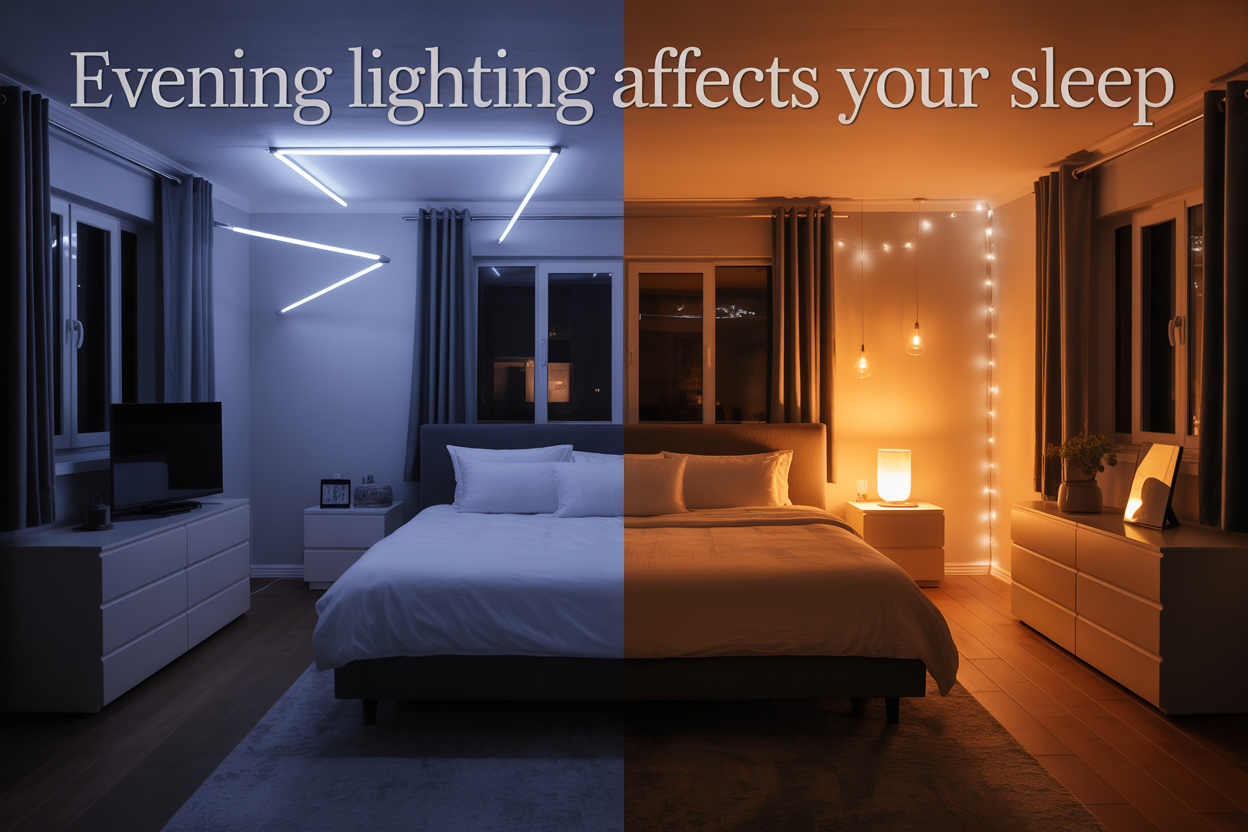
If you've been tossing and turning night after night, staring at the ceiling while sleep feels impossibly out of reach, your evening lighting setup might be working against you. This guide is for anyone dealing with sleep disturbances who wants to understand how their light environment affects their rest quality.
Many people don't realize that the lights they use after sunset can trick their brain into thinking it's still daytime, disrupting natural sleep patterns and making it harder to wind down. From bright overhead bulbs to glowing screens, these hidden light sources might be the real culprit behind your restless sleep.
We'll explore how evening light messes with your body's internal clock and keeps your brain in "awake mode" when you need it to start preparing for rest. You'll also discover practical ways to create a sleep-friendly lighting environment, including simple changes that can improve your sleep quality starting tonight. Finally, we'll walk through building a 15-minute evening routine that signals to your body it's time to transition from day to night.
Opening story: struggling to fall asleep

Sarah stared at the ceiling for what felt like the hundredth time that night, her mind racing despite her exhausted body. The digital clock on her nightstand glowed an accusatory 2:47 AM, and she had to be up for work in four hours. She'd tried everything – counting sheep, meditation apps, even that breathing technique her yoga instructor swore by. Nothing worked.
What Sarah didn't realize was that her evening routine was sabotaging her sleep before she even hit the pillow. Like millions of others, she was unknowingly flooding her brain with the wrong signals at exactly the wrong time.
The Modern Sleep Trap We All Fall Into
Picture this familiar scene: After a long day, you finally get home around 7 PM. The house feels dim and unwelcoming, so you flip on all the lights – the bright overhead fixtures, the task lighting in the kitchen, maybe even that powerful desk lamp while you catch up on emails. Your living room transforms into something resembling a well-lit office space.
You scroll through your phone while cooking dinner, the screen's blue light mixing with the harsh white bulbs above. Later, you settle into your favorite spot on the couch, laptop open, every light switch in the "on" position because you want to see clearly. The TV adds another layer of bright, flickering light to the mix.
This scenario plays out in homes everywhere, night after night. We've created environments that would make our ancestors think the sun never set. But here's what's happening behind the scenes: your brain is receiving a constant message that it's still daytime, that you should remain alert and active.
When Your Body Clock Gets Confused
Your internal clock, known as your circadian rhythm, relies on light cues to know when to start winding down. For thousands of years, humans naturally transitioned from bright daylight to the warm, dim glow of firelight as evening approached. This gradual dimming told our bodies to begin producing melatonin, the hormone that makes us sleepy.
Today's homes disrupt this ancient pattern completely. We jump from bright artificial light straight to darkness when we flip off the bedroom light, leaving our brains scrambling to catch up. Your body doesn't get those crucial transition hours it needs to prepare for sleep.
The result? You end up like Sarah – physically tired but mentally wired, lying in bed with thoughts bouncing around like pinballs while precious sleep time ticks away.
Why Bright Light Keeps Your Brain "on"
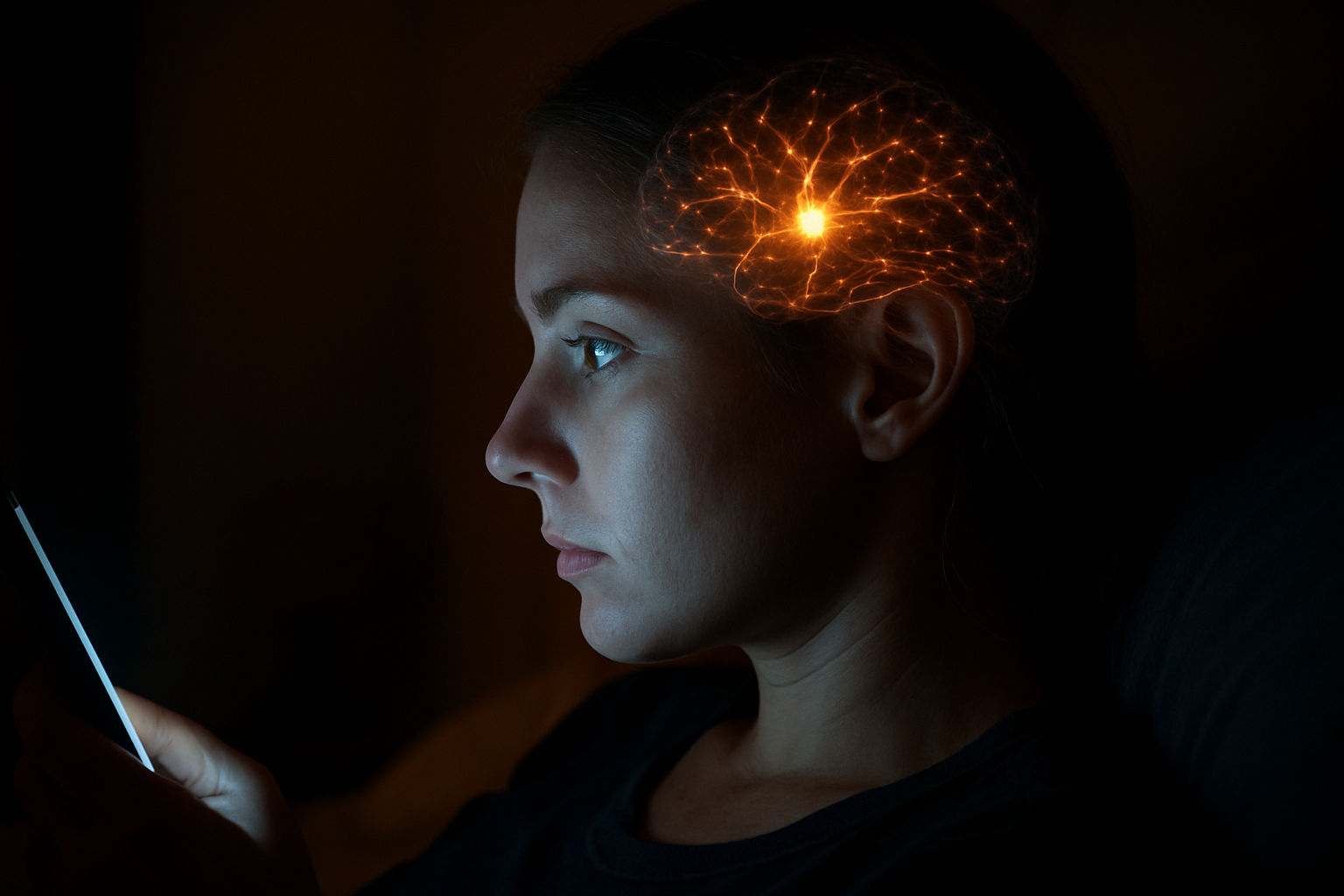
Why bright white light increases alertness
Your brain has an internal clock that runs on roughly a 24-hour cycle, and bright white light acts like a master reset button for this biological timekeeper. When photoreceptors in your eyes detect intense illumination—especially the blue wavelengths found in LED bulbs, computer screens, and overhead lighting—they send a direct signal to your brain's suprachiasmatic nucleus. This tiny region in your hypothalamus controls your circadian rhythm and immediately interprets bright light as "daytime."
The moment this happens, your brain slams the brakes on melatonin production. Melatonin is your body's natural sleep hormone, typically starting to rise around 9 PM to prepare you for rest. But bright white light can suppress melatonin by up to 85% within just 15 minutes of exposure. That's why scrolling through your phone in bed or working under harsh kitchen lights can leave you feeling wired when you should be winding down.
Blue light wavelengths between 460-480 nanometers are particularly problematic. These wavelengths naturally peak in sunlight during midday, signaling peak alertness time to your brain. Modern LED lights and digital screens emit concentrated amounts of these same wavelengths, essentially convincing your brain it's noon even at midnight.
Your pupils also play a role in this alertness response. Bright light causes them to constrict, which increases visual focus and mental sharpness—exactly what you don't want when trying to transition into sleep mode. This physiological response evolved to keep our ancestors alert during daylight hours, but now it works against us in our artificially lit modern world.
The alertness triggered by bright white light doesn't just affect your ability to fall asleep—it also reduces deep sleep quality throughout the night, leaving you groggier the next morning.
Transform Your Evening Lighting for Better Sleep
Your body runs on an internal clock called your circadian rhythm, and it's surprisingly sensitive to the type of light around you. Cool, bright light—the kind that comes from overhead fixtures, computer screens, and smartphones—tells your brain it's daytime. This light contains high levels of blue wavelengths that actively suppress melatonin production, keeping you alert and ready for action.
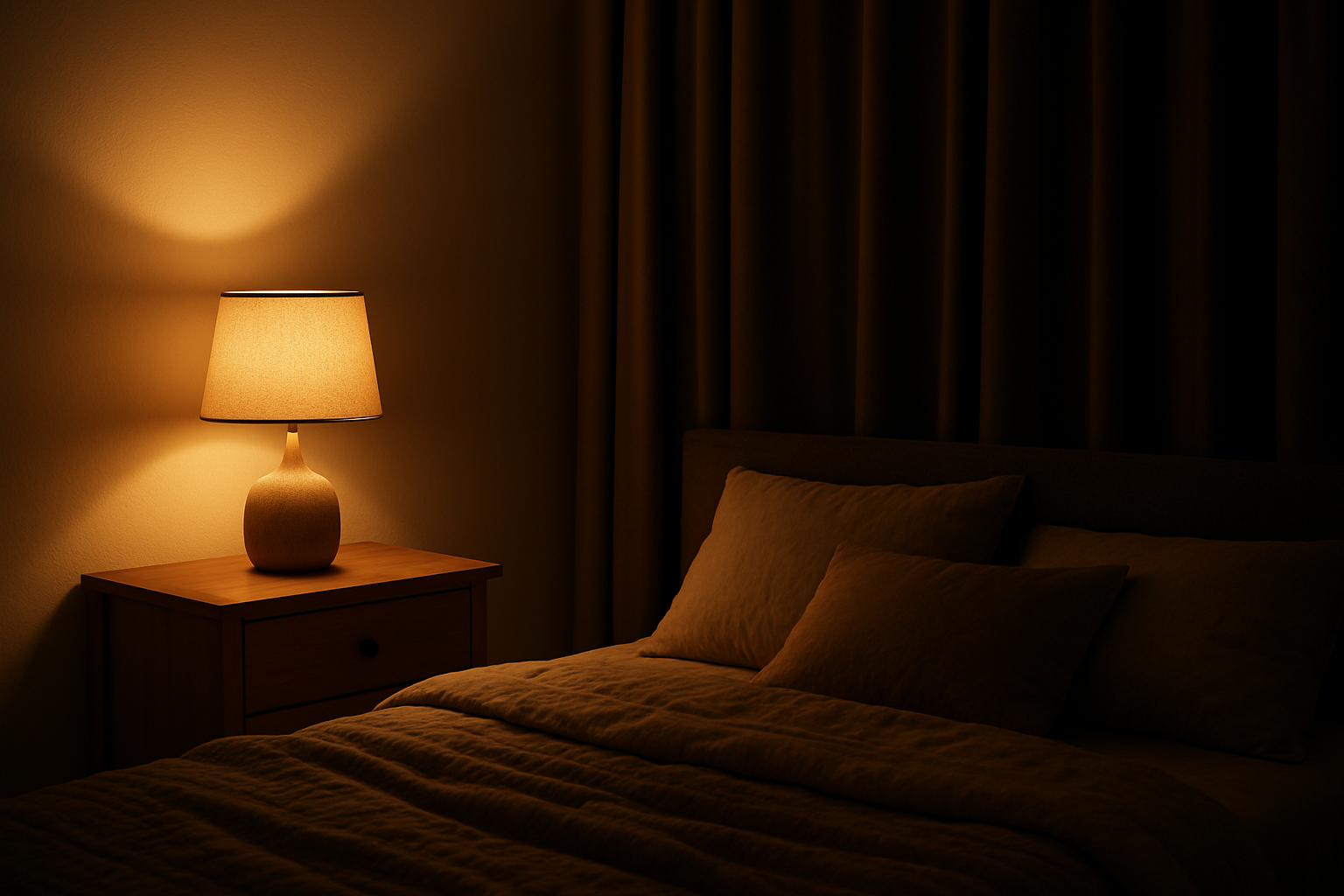
Warm, ambient light works differently. Think of the soft glow from a table lamp with a warm bulb, candlelight, or those cozy string lights. This type of lighting contains more red and orange wavelengths, which don't interfere with your body's natural wind-down process. When you switch to warmer lighting in the evening, you're essentially giving your brain permission to start preparing for sleep.
The magic happens around 2700K to 3000K on the color temperature scale—this creates that golden, sunset-like quality that feels naturally relaxing. Compare this to typical overhead lighting, which often sits at 4000K or higher, mimicking midday sunlight.
Smart bulbs and dimmer switches make this transition effortless. You can program them to automatically shift from bright, cool light during the day to warm, dim light as evening approaches. Even simple lamp placement makes a difference—positioning lights at eye level or below creates a softer environment than harsh overhead lighting.
How Warm Ambient Lighting Signals the Brain to Relax
When warm light hits your eyes, it triggers a cascade of biological responses that prepare your body for sleep. Your pineal gland, a tiny structure deep in your brain, acts like a light-sensitive switch. As it detects the shift from bright to dim, warm light, it starts ramping up melatonin production—your body's natural sleep hormone.
This process doesn't happen instantly. Melatonin levels typically begin rising about two hours before your natural bedtime, which is why switching to ambient lighting earlier in the evening makes such a difference. The warm light also helps lower your core body temperature, another key signal that sleep is approaching.
Your nervous system gets the message too. Warm, dim lighting activates your parasympathetic nervous system—the "rest and digest" mode that counteracts the stress response. Your heart rate slows, blood pressure drops, and muscle tension decreases. It's like your body's natural chill pill.
The psychological impact is just as powerful. Warm lighting creates an atmosphere that feels safe and contained, triggering emotional associations with comfort and security. This environmental cue helps quiet the mental chatter that often keeps people awake, making it easier to let go of the day's worries and transition into sleep mode.
The Power of Warm, Ambient Light (And Why It Works)

Now we are seeing this only instead:
The primary lighting system is surely switched off. Moreover, the main electrical illumination remains inactive.
We are seeing only a gentle, warm light filling the whole room.
As per observation, shadows are moving slowly regarding their natural movement.
The atmosphere is surely peaceful and brings back old memories. Moreover, it creates a calm feeling that reminds us of past times.
Warm lighting itself creates a feeling of safety and helps people relax further.
As per psychology, it changes the mind from "work mode" to "rest mode" regarding mental state.
Many people are further changing their evening routines around this concept itself.
Basically, you add the same soft lava-style ambient lamp like this one.
As per lighting requirements, warm flowing light is better regarding comfort compared to harsh overhead lighting.
- This actually makes your eyes feel less tired. It definitely helps reduce strain when you look at screens.
- A fireplace surely creates a warm and comfortable center point in any room. Moreover, it naturally draws people together and makes the space feel more inviting.
- This approach surely promotes relaxation time without any screens. Moreover, it helps people unwind properly before sleep.
- Warm colors surely create an emotionally comfortable atmosphere in your living space. Moreover, these hues make the room feel more welcoming and cozy.
This is actually not just decoration. It definitely serves other purposes too.
Basically, it changes the mood of the whole space.
Our mood affects our sleep further than we think. Sleep itself gets disturbed by our emotional state.
A Simple 15-Minute Night Reset Routine
You do not need to change your life completely, as small improvements can further help the situation itself.
You can further try this approach tonight itself.
You should actually turn off the main lights 30 minutes before sleeping. This will definitely help your body prepare for rest.
As per the instructions, switch on one warm ambient light source regarding the lighting setup.
As per sleep hygiene practices, keep your phone away or use night mode regarding better rest quality.
You can actually sit quietly, do some light stretching, or definitely write in your journal.
You should surely allow your eyes to adjust to the gentler light. Moreover, this softer glow will help your vision adapt properly.
This itself is sufficient and no further action is required.
As per this method, you are training your brain regarding new learning patterns.
Basically the day is finishing, it's the same time when everything ends. You can actually rest now. It's definitely safe.
As per experience, doing work regularly is more important than doing perfect work regarding achieving success.
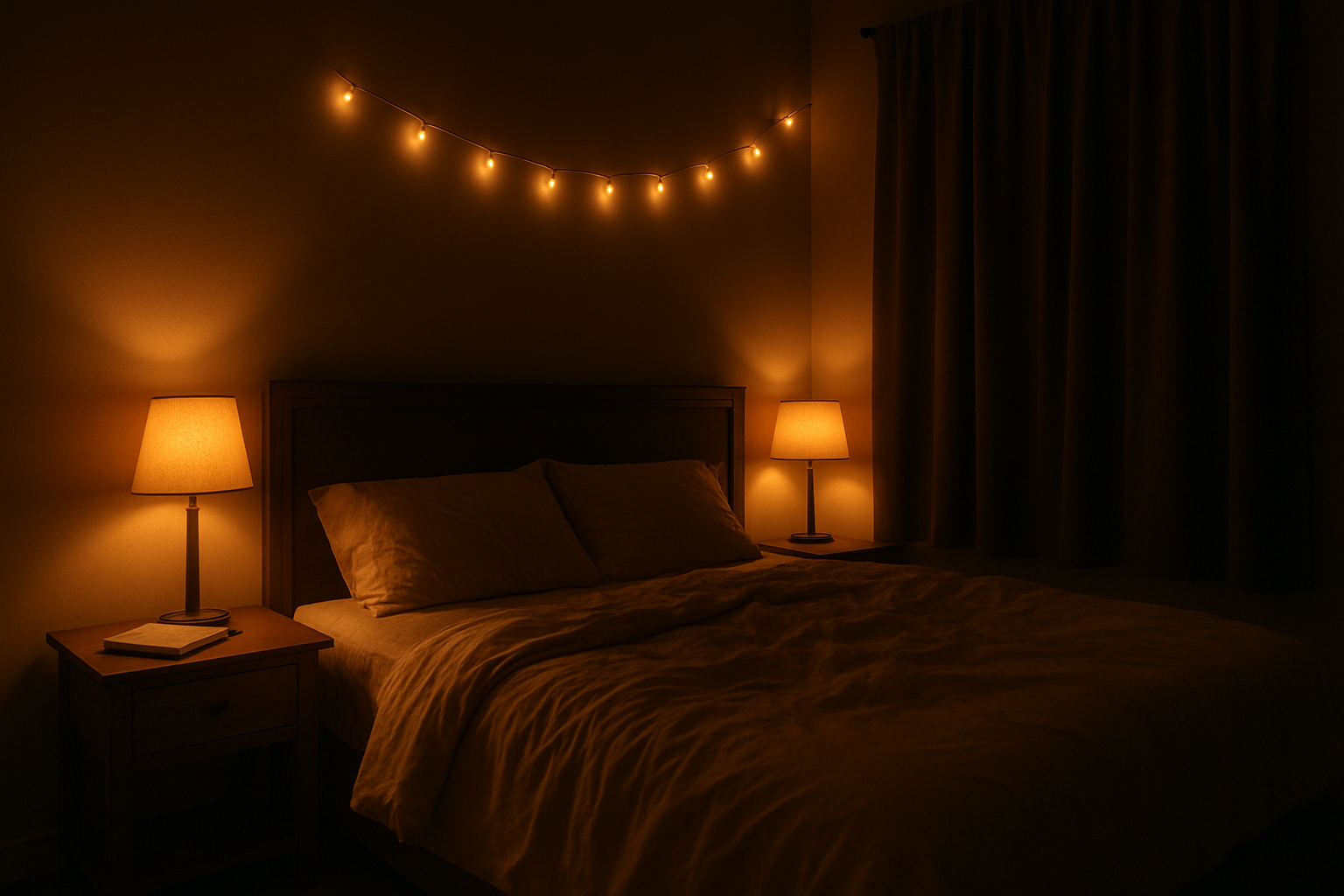
Those late-night struggles with sleep might have a surprisingly simple solution sitting right in your living room. Your evening lighting habits play a huge role in how well you sleep, from the bright overhead lights that keep your brain alert to the sneaky glow from electronics that mess with your natural rhythms. The good news is that small changes to your lighting routine can make a real difference in how quickly you fall asleep and how rested you feel in the morning.
Start tonight by dimming your lights a couple hours before bed and swapping out harsh bulbs for warmer, softer options. Put those phones and tablets away, or at least use blue light filters if you absolutely need them. Your sleep cycle will thank you, and you might just find yourself naturally getting drowsy when bedtime rolls around. Better sleep doesn't have to be complicated – sometimes it's as simple as turning down the lights.
