


)

Turn Bath Time Battles Into Fun Family Moments
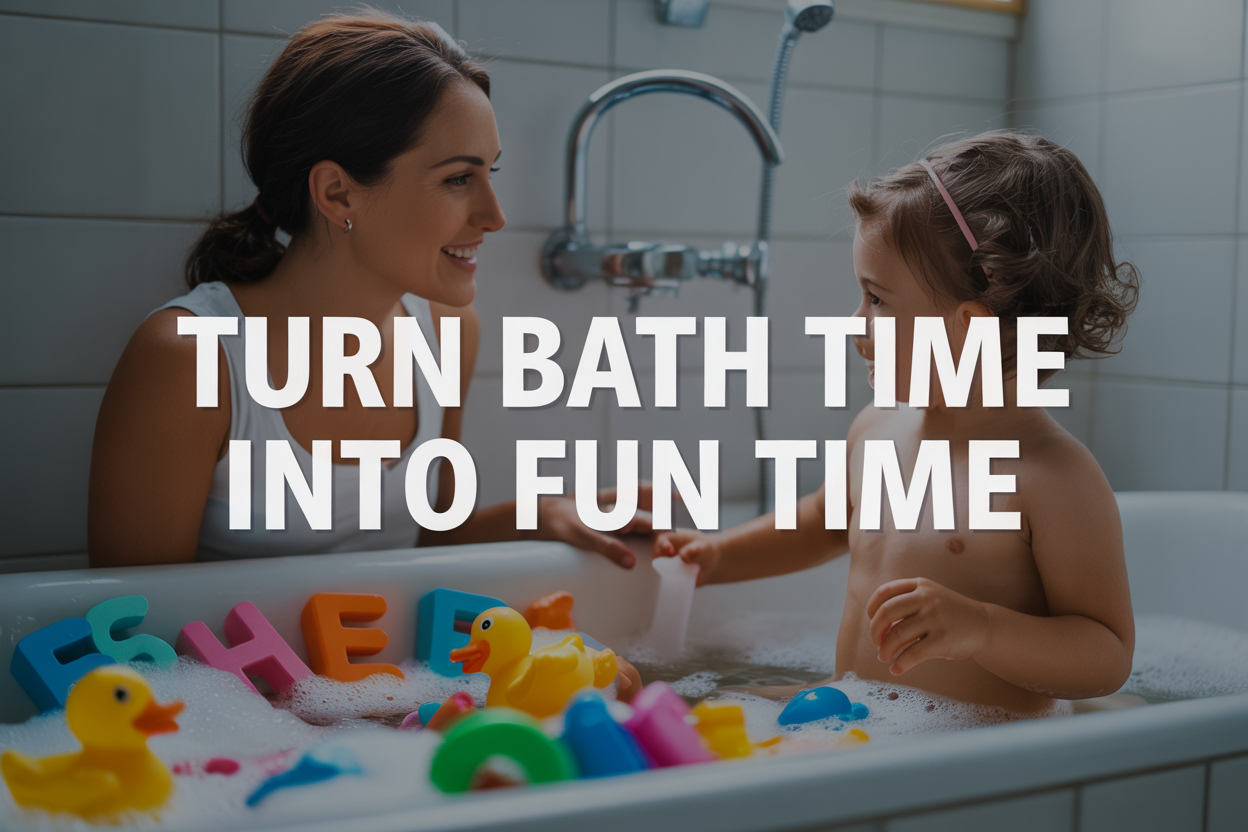
Bath time doesn't have to be a nightly struggle that leaves you and your kids exhausted. If your little ones resist bathing, turn into slippery escape artists, or melt down the moment they see the tub, you're not alone in these bath time battles.
This guide is for parents who want to transform those stressful evening routines into enjoyable family moments without adding extra work to their already busy schedules. You'll discover why kids resist baths in the first place and learn simple strategies to make bath time fun while keeping everyone calm and cooperative.
We'll cover practical solutions that busy parents can use tonight, including play-based approaches that turn washing into an adventure your kids will actually look forward to. You'll also learn what common mistakes might be making your bath time struggles worse, and get easy bath time solutions that work for toddlers and older kids alike.
Why Kids Resist Bath Time
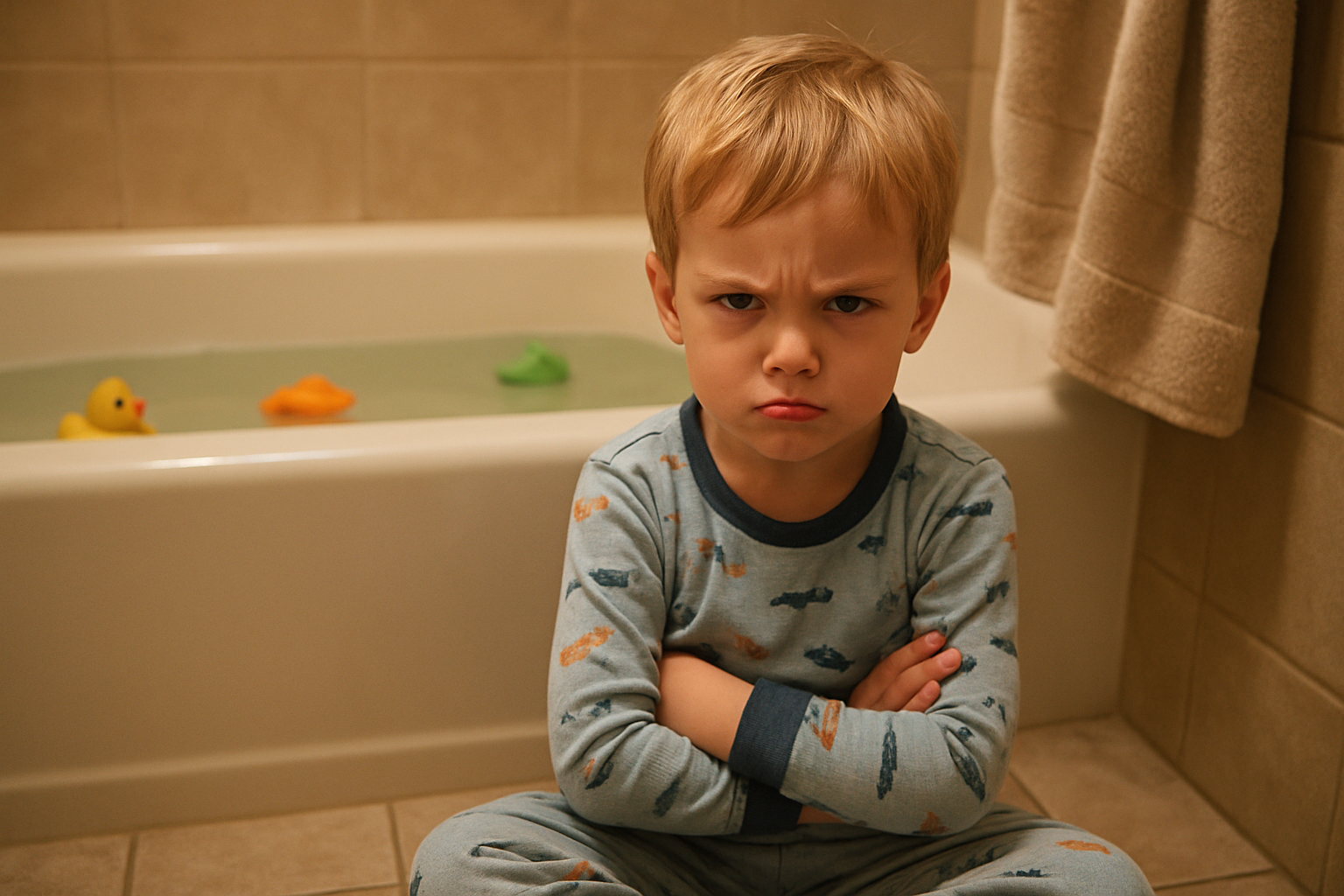
It Interrupts Their Playtime
Children live in the moment, completely absorbed in whatever activity has captured their attention. When bath time rolls around, they're often deep into building block towers, creating imaginary worlds, or engaged in their favorite game. The sudden announcement that it's time to stop everything and head to the bathroom feels like an unwelcome interruption to their carefully constructed play scenario.
This disruption creates immediate resistance because kids haven't had time to mentally transition from play mode to bath mode. Their brains are still processing the fun they were having, making it nearly impossible to shift gears quickly. The result? Bath time battles that leave everyone frustrated and stressed.
They Feel Rushed or Forced
Most parents approach bath time with a sense of urgency, especially during busy weekday evenings. The "come on, we need to hurry up" mentality creates pressure that children can sense immediately. When kids resist bathing, it's often because they feel like they're being herded through yet another task on the adult agenda.
Children need time to process transitions, but rushed bath time doesn't allow for this natural adjustment period. The feeling of being forced into something removes their sense of autonomy and control, which are crucial for their emotional development. This power struggle becomes a nightly occurrence when children feel they have no choice in the matter.
The Experience Feels Boring or Repetitive
Traditional bath time follows the same predictable pattern: get in, wash hair, scrub body, get out. This routine lacks the excitement and novelty that naturally appeals to young minds. Without stimulating elements, bath time becomes just another chore rather than an enjoyable experience.
Toddler bath time tips often focus on efficiency rather than engagement, missing the opportunity to make the experience genuinely appealing. When children anticipate boredom, they naturally resist the activity before it even begins.
They Don't Have Anything Engaging to Look Forward To
The biggest reason behind bath time struggles is the absence of positive anticipation. Children thrive on having something exciting to expect, but standard bath routines rarely provide this motivational element. Without engaging activities or fun bath activities for kids, the bathroom becomes associated with obligation rather than enjoyment.
When there's nothing special about bath time, children view it as lost play time rather than an opportunity for a different kind of fun. This perspective shift is essential for transforming resistance into cooperation.
3 Simple Ways to Make Bath Time Easier
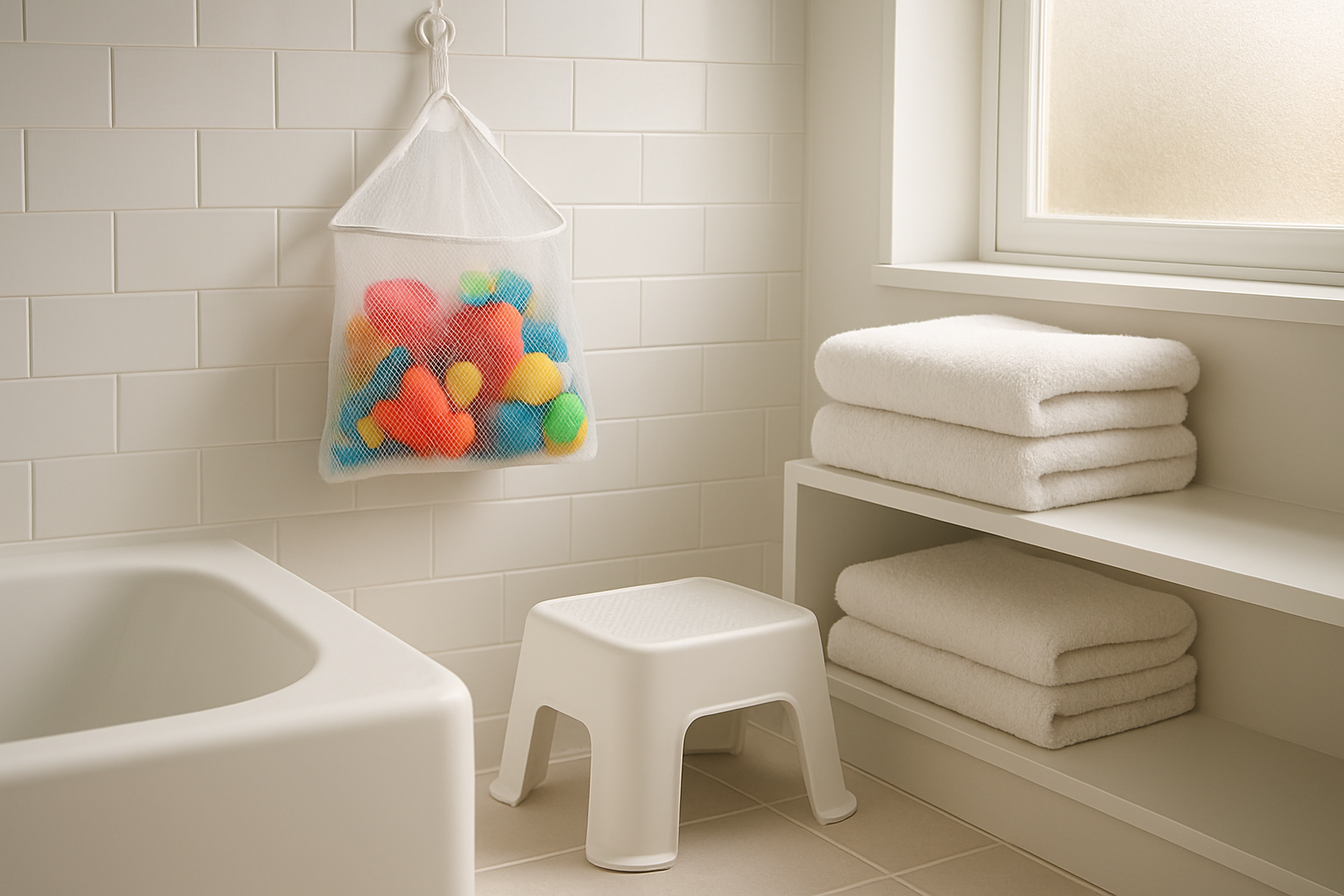
1. Create a Predictable Routine
Children thrive on routine because it makes them feel secure and helps them know what to expect next. When bath time happens at the same time each day with consistent steps, it removes the uncertainty that often triggers resistance. Your child will start mentally preparing for the transition instead of being caught off guard.
Start your bath time routine 15 minutes before the actual bath with simple warning cues. You might say, "In ten minutes, we're going to take a bath and play with the bubbles!" This gives them time to wrap up their current activity. Follow the same sequence every time: gather towels, run the water, choose bath toys together, and then get in.
The key is making each step predictable without being rigid. Some families sing the same song while filling the tub, while others let their child pick between two pre-selected bath toys. These small choices within the routine give kids a sense of control while maintaining structure.
Keep the routine simple enough that anyone can follow it. When grandparents or babysitters know the exact steps, your child experiences less disruption and fewer bath time battles. Write down your routine and post it in the bathroom so everyone stays consistent.
2. Add Fun and Interactive Elements (Game Changer)
Transform your bathroom into a playground with simple additions that turn washing into playing. Bath crayons let kids draw on the tub walls while you wash their hair, making them too distracted to complain. Foam letters stick to wet surfaces and turn soap time into learning opportunities.
Water toys don't have to be expensive bath-specific items. Empty yogurt containers become perfect water scoops, and measuring cups create endless pouring fun. Glow sticks (the safe, non-toxic kind) make evening baths feel magical and special.
Create themed bath nights to build excitement throughout the week. Monday could be "Mermaid Monday" with blue food coloring in the water, while "Fizzy Friday" features bath bombs that change the water color. These themes give kids something to look forward to and make bath time feel less like a chore.
Music changes everything. Waterproof speakers or even singing together transforms the bathroom atmosphere. Try making up silly songs about washing different body parts – kids love when parents act goofy, and laughter makes everything easier.
These bath fizzers with surprises turn an ordinary bath into an exciting discovery experience.

👉 You can explore a simple option here: Fizzing Animal Bath Bomb Toys
3. Turn Bath Time Into Playtime
The biggest shift happens when you stop thinking about bath time as purely functional and start seeing it as play-based learning time. This approach tackles bath time struggles at their core by making the experience genuinely enjoyable rather than something to endure.
Set up simple science experiments using everyday items. Baking soda and vinegar create exciting fizzy reactions that fascinate kids while you work on washing. Ice cubes in warm water teach temperature concepts while keeping little hands busy. Food coloring mixed in small containers lets them create color combinations.
Pretend play works wonders for reluctant bathers. The bathtub becomes an ocean for toy boats, a car wash for toy vehicles, or a swimming pool for action figures. When kids are engaged in imaginative play, they forget they're being cleaned and actually enjoy the water.
Make washing itself into games. "Can you make your hair into a mohawk with the shampoo?" or "Let's count to ten while we wash your toes!" turns necessary tasks into fun activities. Race games work well too – see who can wash their arms faster or make the biggest bubble beard.
Remember that fun bath activities for kids don't require Pinterest-perfect setups. Simple engagement and playful interaction often work better than elaborate preparations that stress parents out.
What Most Parents Get Wrong
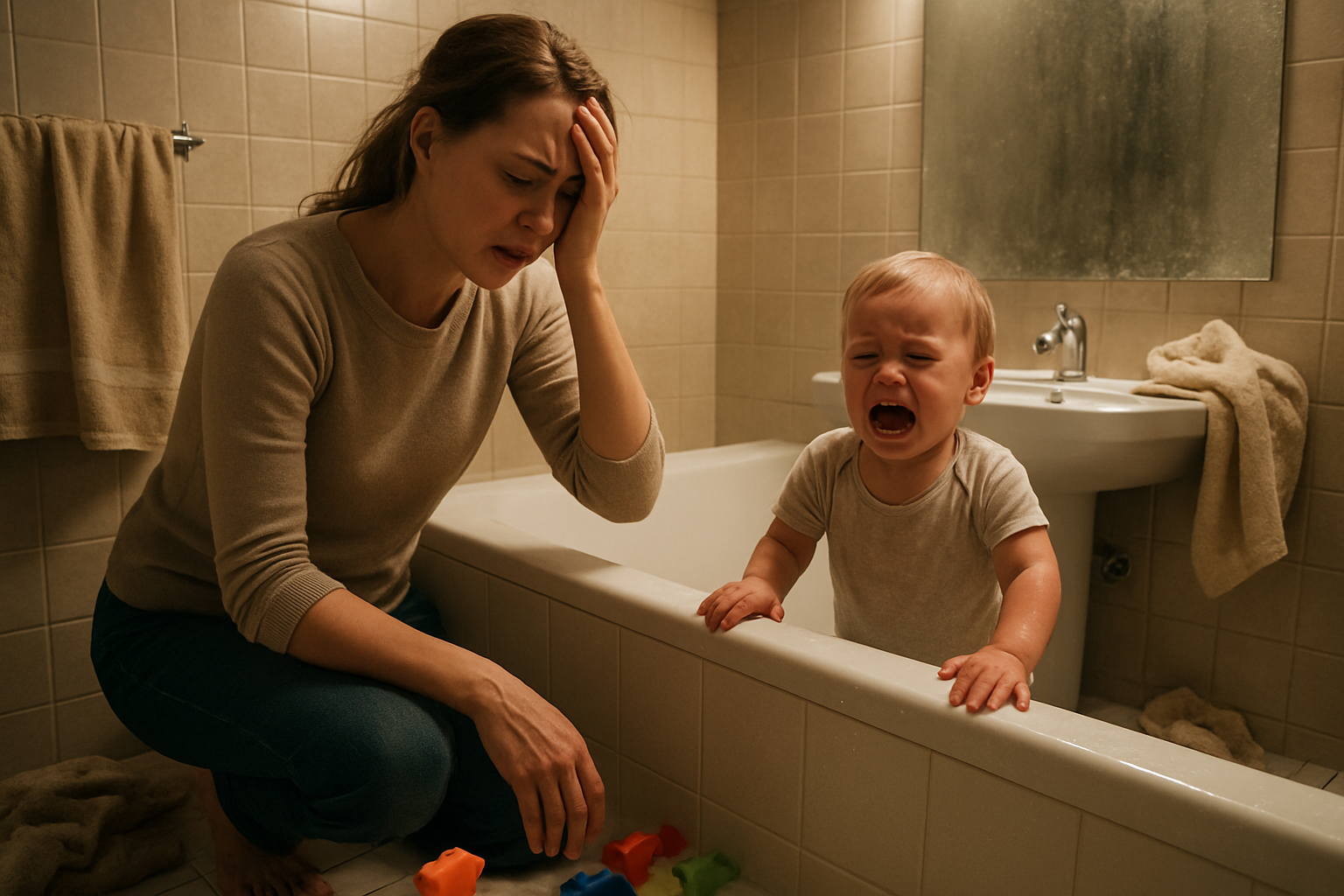
Forcing Kids Too Quickly
Many parents rush through bath time battles because they're eager to get it over with. This approach backfires spectacularly. When you drag a resistant child to the bathroom and immediately start removing clothes, you're setting up a power struggle that nobody wins. Kids need time to mentally prepare for transitions, especially when they're deeply engaged in play.
The magic happens when you give a 10-minute warning followed by a 5-minute heads-up. This simple shift transforms bath time from an abrupt interruption into an expected part of the routine. Your toddler's brain gets time to process the upcoming change, reducing meltdowns and making the whole experience smoother for everyone involved.
Treating Bath Time as a Chore
Bath time struggles intensify when parents approach cleaning as a tedious task to check off their list. Kids pick up on this energy instantly. If you're sighing, rushing, or treating it like drudgery, your child will mirror that resistance.
Reframing your mindset changes everything. Instead of "we need to get clean," try thinking "we're going to have water fun together." This mental shift influences your tone, pace, and patience level. When you genuinely enjoy the process, kids naturally become more cooperative and engaged.
Not Creating a Transition from Play to Bath
The biggest mistake happens in those crucial minutes before bath time begins. Most parents abruptly announce "time for a bath!" while their child is building towers or racing cars. This jarring transition creates immediate resistance because you're asking them to abandon something they love for something they perceive as boring.
Smart parents create bridge activities that gradually shift energy toward the bathroom. Try announcing bath time while offering to bring a special toy along, or suggest "racing to the bathtub" to maintain that playful momentum. These small transition tricks help maintain your child's positive mood instead of starting from a place of frustration.
Lack of Engaging Elements
Plain water and soap don't excite anyone, especially active toddlers who thrive on stimulation and discovery. When bath time lacks fun bath activities for kids, you're missing opportunities to make this routine enjoyable rather than endured.
Simple additions transform everything: colorful bath crayons for drawing on tub walls, floating toys that encourage imaginative play, or foam letters that stick when wet. These engaging elements turn bath time into discovery time, where learning happens naturally through play-based interactions with water, shapes, and colors.
Why Play-Based Bath Time Works

Kids Feel More Relaxed
When bath time becomes playful, children naturally drop their guard and stop viewing it as a chore they need to endure. The shift from task-oriented bathing to play-based activities creates an environment where stress hormones decrease and happy chemicals like endorphins kick in. Picture this: instead of hearing "we need to get you clean," your child hears "let's play with these floating toys!" The psychological impact is immediate and powerful.
Play triggers the brain's reward system, making kids associate positive feelings with bath time. Water becomes less threatening when it's part of a game rather than something being done to them. Children who previously screamed at the sight of a washcloth suddenly become cooperative when that same washcloth becomes a puppet or magic cleaning wand. This transformation happens because play gives them a sense of control and agency in what was once an imposed activity.
Resistance Naturally Decreases
The beauty of making bath time fun lies in how it eliminates the power struggle between parent and child. When kids are engaged in enjoyable activities, they stop fighting the process because they're too busy having a good time. Bath time struggles often stem from children feeling powerless - play-based approaches flip this dynamic entirely.
Fun bath activities for kids work because they redirect attention away from what children perceive as unpleasant (getting wet, being scrubbed) toward what they find exciting (splashing, bubbles, toys). A child focused on making their rubber duck "swim" through soap suds isn't thinking about resisting hair washing. They're in the moment, engaged, and cooperative without even realizing it.
This approach works particularly well with toddlers who thrive on routine but crave entertainment. When bath time becomes predictably fun rather than predictably stressful, resistance fades because there's nothing left to resist.
Bath Time Becomes Part of Their "Fun Time"
Smart parents discover that integrating play into bath time routine for children transforms it from a necessary evil into a highlight of the day. Kids start asking for baths instead of hiding when they hear the water running. This shift happens because children's brains are wired to seek out pleasurable experiences and repeat them.
The key is making bath time feel special rather than routine. Simple additions like colorful bath bombs, singing songs, or creating elaborate pretend scenarios turn an ordinary bathroom into an adventure zone. Children begin to view bath time as their personal play space rather than a place where grown-ups impose cleaning routines on them.
Family bath time ideas that incorporate storytelling, imaginative play, or even simple science experiments (like watching objects sink or float) create positive memories that children want to recreate. The bathroom becomes associated with laughter, creativity, and one-on-one attention from parents rather than tears and tantrums.
Using child friendly bath products like bath bombs with toys creates excitement while keeping routines simple for parents.
It Helps Prepare Them for Bedtime
Play-based learning bath time serves a dual purpose: it gets kids clean while naturally transitioning them toward sleep mode. The warm water relaxes muscles, while engaging play activities help burn off remaining energy in a controlled, calming environment. This combination creates the perfect pre-bedtime state.
Children who enjoy their bath time are more likely to cooperate with the entire bedtime routine that follows. When bath time is pleasant, kids don't arrive at pajama time already wound up from fighting in the bathroom. Instead, they're relaxed, happy, and ready for the next step in their evening routine.
The ritual aspect of fun, consistent bath time also signals to children's internal clocks that bedtime is approaching. Their bodies begin producing sleep hormones naturally as they move through this enjoyable transition activity, making the entire evening flow more smoothly for the whole family.
A Simple Solution for Busy Parents
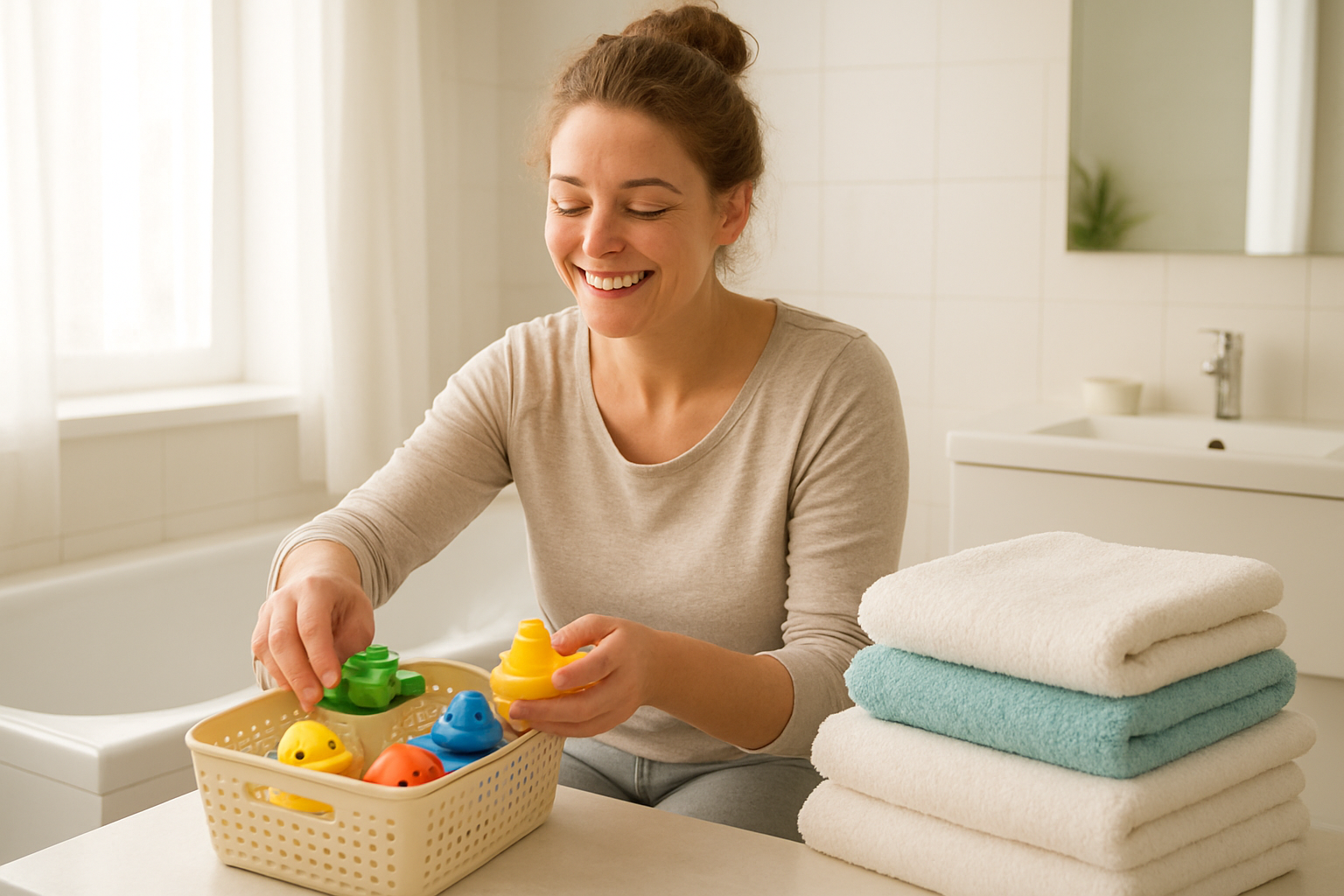
Combine fun and function for an easy, effective solution
Creating a bath time routine that works for busy families doesn't mean choosing between getting kids clean and keeping them happy. The secret lies in finding products and strategies that do both jobs at once. Bath crayons that actually help scrub away dirt while kids draw masterpieces on the walls. Foam soap that doubles as sculpting material and gets them squeaky clean. Musical bath toys that teach counting while making shampooing feel like a game.
Smart parents know that the best easy bath time solutions work behind the scenes. Bath time struggles disappear when kids are so focused on having fun they forget they're getting clean. Think washcloths shaped like puppets that make washing faces entertaining, or colorful cups that turn rinsing hair into a pouring game. These simple tools transform the experience from a chore into something children actually look forward to.
The key is preparation that takes just minutes but pays off for weeks. Set up a rotating basket of bath activities - one week it's floating letters that spell words, the next it's glow sticks for "nighttime ocean adventures." When kids resist bathing becomes a thing of the past because they're excited to see what's waiting in the tub.
Turn stressful evenings into smooth, enjoyable routines
Evening routines flow naturally when bath time becomes the highlight instead of the hurdle. Parents who once dreaded the nightly battle now find themselves with cooperative kids who race to the bathroom. The transformation happens when you stop fighting against children's natural desire to play and start working with it.
Picture this: instead of bribing, threatening, or chasing naked toddlers around the house, you simply announce "adventure time" and watch them run to the tub. This shift happens when you build play-based learning bath time into your routine. Kids who know they'll get to be pirates searching for treasure (hidden bath toys) or scientists mixing "potions" (colored water and bubbles) don't need convincing.
The ripple effect extends beyond the bathroom. When bath time runs smoothly, bedtime follows suit. Children who've had 20 minutes of focused, fun interaction with parents are calmer, more connected, and ready to wind down. Parents report that implementing fun bath activities for kids eliminated bedtime battles too, because children felt satisfied and ready for the next part of their routine.
Family bath time ideas don't need to be elaborate or expensive. Sometimes the most effective solutions are the simplest - like letting kids "paint" themselves with shaving cream or creating "snow" with baby shampoo. The magic happens when ordinary bath time becomes something special that everyone enjoys.
👉 Try a simple solution here: Fizzing Animal Bath Bomb Toys
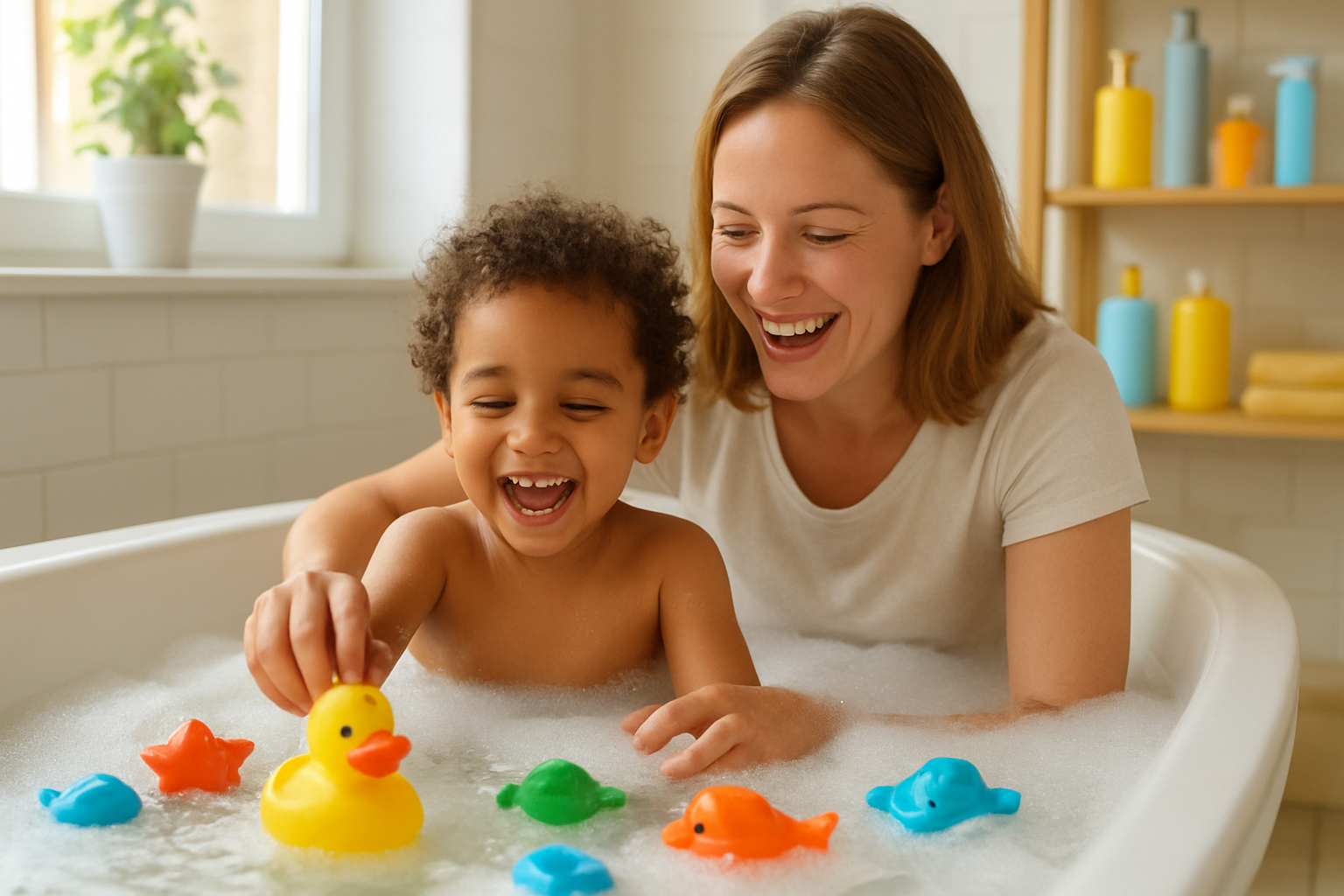
Bath time doesn't have to be a nightly struggle. By understanding why children resist baths and implementing simple play-based strategies, you can transform these moments from battles into bonding opportunities. The key is shifting from a task-focused mindset to one that embraces sensory play and engagement. When children see bath time as fun rather than a chore, cooperation naturally follows.
Remember that small changes can yield significant results. Whether it's introducing fizzing bath bombs, colorful toys, or simply adjusting your approach to make washing feel more like play, these strategies can reduce resistance by half and shorten your evening routine by 10-20 minutes. That extra time means more stories, calmer bedtimes, and less stress for the entire family. Start with one simple change tonight and watch how quickly your bathroom battles turn into cherished family moments.
👉 Do your kids resist bath time every night? Share your experience below!
💡 If you’re looking for a simple way to make bath time easier, there are fun solutions designed to turn stress into play.
👉 Curious to try it yourself? Explore a simple way to make bath time fun and relaxing again
👉 Follow us on Pinterest for daily inspiration
